

In the realm of industrial manufacturing, particularly within the plastics and rubber extrusion industries, accurate and reliable pressure measurement is crucial for optimizing production processes and ensuring product quality. The High Temperature Melt Pressure Sensor 4-20mA has emerged as a vital tool in achieving these goals.
Product Overview
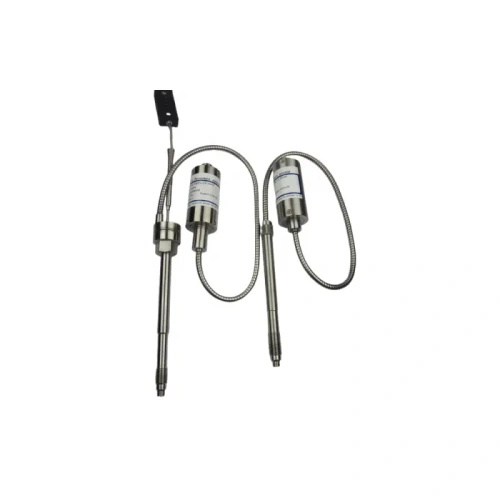
The melt pressure sensor, specifically the PT series from Xiaogan Yueneng Electronic Technology Co., Ltd., is designed to operate within a temperature range of 150-380 degrees Celsius. This high-temperature capability makes it suitable for various industrial environments where precise pressure measurement is required. The sensor is particularly effective in plastic and rubber extruder applications, where it can seamlessly integrate with control instruments like the PY9000 series intelligent digital pressure gauge and similar devices.
Key Features and Advantages
One of the standout features of this melt pressure sensor is its advanced 4-20mA amplifier circuit. This circuit amplifies the collected pressure signals, enhancing their stability and reliability. The amplified signal can be directly input into PLC control systems, facilitating automatic control and data processing. This integration capability is essential for modern industrial settings where real-time monitoring and automated adjustments are necessary for maintaining optimal production conditions.
The PT124 series of melt pressure transmitters from Xiaogan Yueneng Electronic Technology Co., Ltd. includes an 80% calibration signal feature. This allows users to easily calibrate the sensor during use, ensuring the accuracy of measurement results. The ease of calibration is a significant advantage in industrial settings where downtime for maintenance can impact productivity.
Applications and Impact
In the plastics and rubber extrusion industries, the melt pressure transmitter provides accurate and reliable melt pressure measurement data. This data is invaluable for optimizing production processes, improving product quality, and enhancing production efficiency. By closely monitoring and controlling pressure parameters, manufacturers can reduce material waste, minimize defects, and maintain consistent product standards.
Considerations When Selecting a Melt Pressure Sensor
When choosing a melt pressure sensor for industrial applications, several factors should be considered to ensure optimal performance and compatibility:
Compatibility with Liquid Type
It is essential to ensure that the melt pressure sensor is suitable for the specific type of liquid being measured. Different liquids have varying properties such as viscosity and corrosiveness, which may require different sensor materials or designs. Evaluating the chemical compatibility of the sensor with the liquid ensures accurate and reliable measurement.
Accuracy and Precision
High accuracy and precision are crucial for reliable pressure measurements. These parameters are essential for precise control and monitoring of liquid systems. Reviewing the sensor's specifications, including measurement accuracy and resolution, helps determine if it meets the specific requirements of the application.
Construction and Material
The sensor's construction should be appropriate for liquid applications. Materials that resist corrosion and can withstand the melt pressure and temperature conditions of the liquid are preferred. Stainless steel and other corrosion-resistant materials are commonly used for liquid melt pressure sensors.
Seal and Protection
Liquid melt pressure sensors must be well-sealed to prevent leakage or liquid ingress. Reliable seals and appropriate protection ratings, such as IP65 or higher, ensure the sensor remains protected in wet or harsh environments.
Electrical Output and Communication
The electrical output signal of the pressure sensor must be compatible with existing control systems or data acquisition setups. Common output signals include 4-20mA, 0-10V, or digital communication protocols like Modbus or Ethernet.
Conclusion
The High Temperature Melt Pressure Sensor 4-20mA represents a significant advancement in industrial pressure measurement technology. Its ability to provide accurate, stable, and reliable pressure data in high-temperature environments makes it an indispensable tool for manufacturers in the plastics and rubber industries. By integrating this sensor into their production processes, companies can achieve enhanced control, improved product quality, and increased efficiency, ultimately leading to greater competitiveness in the global market.