

Industrial environments are often harsh—involving heat,vibration,moisture,or chemical exposure—yet Torque Sensors are increasingly expected to perform reliably under these extreme conditions.The good news is that advanced sensor technologies now make it possible for torque measurement systems to withstand even the toughest surroundings.
For high-temperature applications,such as in engines,turbines,or steel manufacturing,sensors can be built using heat-resistant materials like stainless steel,Inconel,or titanium.Special coatings and thermal isolation techniques protect internal components and maintain accuracy up to 200°C or higher.Additionally,non-contact torque sensors using magnetic or optical measurement principles eliminate the need for delicate wiring,further improving heat resistance and reliability.
In corrosive environments—such as marine,chemical processing,or oil and gas industries—Torque Sensors can be customized with anti-corrosion housings and hermetically sealed enclosures.Protective layers,such as nickel plating or epoxy coating,prevent damage from salt,acids,or industrial solvents.
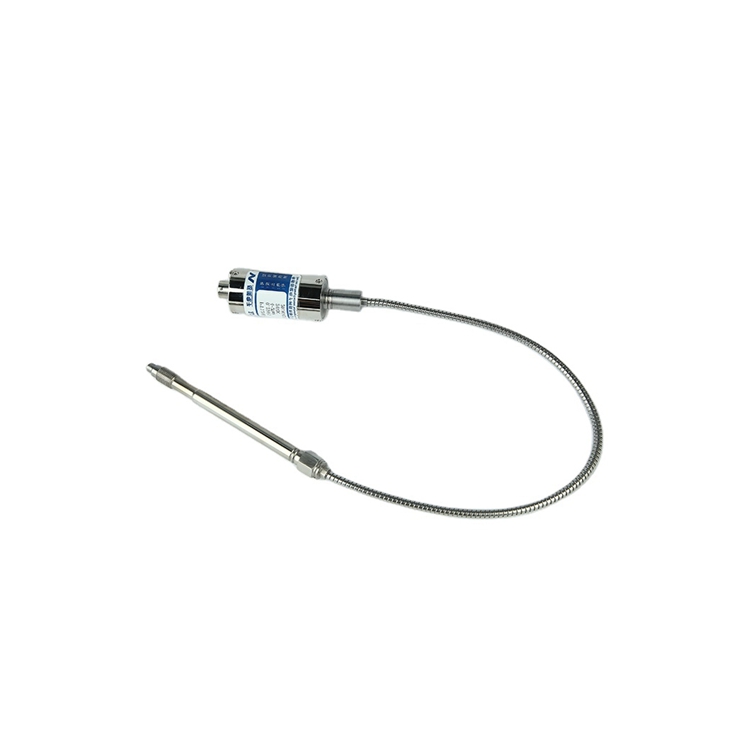
Temperature compensation circuits and waterproof connectors ensure stable signal output even in fluctuating environments.These design enhancements allow torque measurement systems to deliver long-term precision without frequent recalibration or maintenance.
With proper material selection and sealing technology,Torque Sensors can reliably operate in demanding conditions where conventional sensors would quickly fail.This makes them indispensable tools for industries that value accuracy,durability,and safety under stress.