

Strain Gauges are essential devices in modern engineering,allowing precise measurement of strain and stress in materials.Whether for industrial machinery,aerospace applications,or structural health monitoring,selecting the right Strain Gauges is crucial for accurate results.One of the key factors that influence their performance is the materials used in their construction.
High-performance Strain Gauges are designed to withstand extreme conditions while providing reliable measurements.The most common materials used in these devices include metal foils,alloys,and semiconductor elements.Metal foil strain gauges,often made from constantan(a copper-nickel alloy),are widely used because of their excellent stability and linear response.Constantan offers high resistivity and low temperature sensitivity,which makes it ideal for precision measurements across varying environmental conditions.
Another category of materials used in high-performance Strain Gauges includes specialized alloys such as nickel-chromium and platinum-tungsten.These alloys are selected for applications where high temperature or corrosive environments are involved.For instance,nickel-chromium alloys maintain stable resistance even at elevated temperatures,making them suitable for engine testing or aerospace components.Platinum-tungsten strain gauges are often chosen in research and laboratory settings where the highest precision is required.
Semiconductor materials are increasingly used in advanced Strain Gauges,particularly in applications demanding very high sensitivity.Silicon-based gauges offer a strain sensitivity significantly higher than metal foil gauges,allowing detection of minute deformations.However,they are more sensitive to temperature fluctuations and require careful compensation to maintain accuracy.
The backing material of Strain Gauges also plays a vital role in their performance.High-quality gauges typically use polyimide or polyester substrates that provide flexibility,durability,and strong adhesion to the test surface.This ensures that the strain is transferred accurately from the structure to the sensing element.In some high-temperature applications,ceramic or fiberglass backings are preferred because of their excellent thermal stability.
The adhesive used to attach Strain Gauges is another critical material choice.Epoxy-based adhesives are commonly employed due to their strong bonding strength and resistance to environmental factors like moisture and chemical exposure.For applications requiring high-temperature endurance,specialized adhesives capable of withstanding hundreds of degrees Celsius are used.
Choosing the right combination of materials in Strain Gauges can significantly improve measurement accuracy and lifespan.Engineers must consider not only the sensing element material but also the backing and adhesive,as these components collectively determine the gauge’s overall performance.For instance,a metal foil gauge on a polyimide backing with high-temperature epoxy adhesive provides a balance of precision,durability,and environmental resistance.
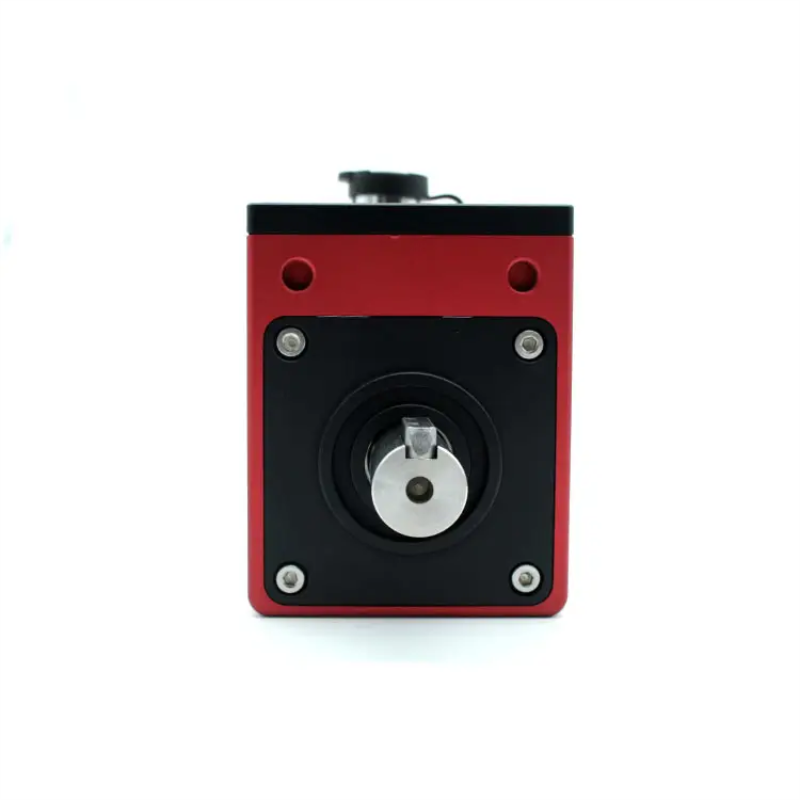
In addition to material selection,manufacturers are constantly innovating to enhance Strain Gauges.Advanced coatings,encapsulations,and composite designs improve resistance to humidity,vibration,and mechanical wear.These improvements make high-performance strain gauges suitable for demanding applications such as wind turbine monitoring,bridge health assessment,and automotive testing.
In conclusion,the materials used in high-performance Strain Gauges—from metal foils and alloys to semiconductors,along with high-quality backings and adhesives—are critical for accurate and reliable strain measurement.When selecting a strain gauge for industrial,aerospace,or research applications,understanding the materials’properties ensures optimal performance,longevity,and precision.Companies investing in high-quality strain gauges can achieve better results in structural monitoring,product testing,and process optimization.