

In modern automation and robotics, selecting the right sensing technology is crucial for achieving precision and reliability. Among the commonly used devices are Touch Force Sensors and traditional pressure sensors. While they may appear similar at first glance, their operating principles, applications, and performance characteristics differ significantly.
A Touch Force Sensor is specifically designed to measure the force applied by direct contact with a surface. Unlike conventional pressure sensors that detect fluid or gas pressure, touch force sensors provide precise readings of mechanical interaction, making them ideal for tactile feedback in robotics and human-machine interfaces. They are often compact, sensitive, and capable of detecting very small forces.
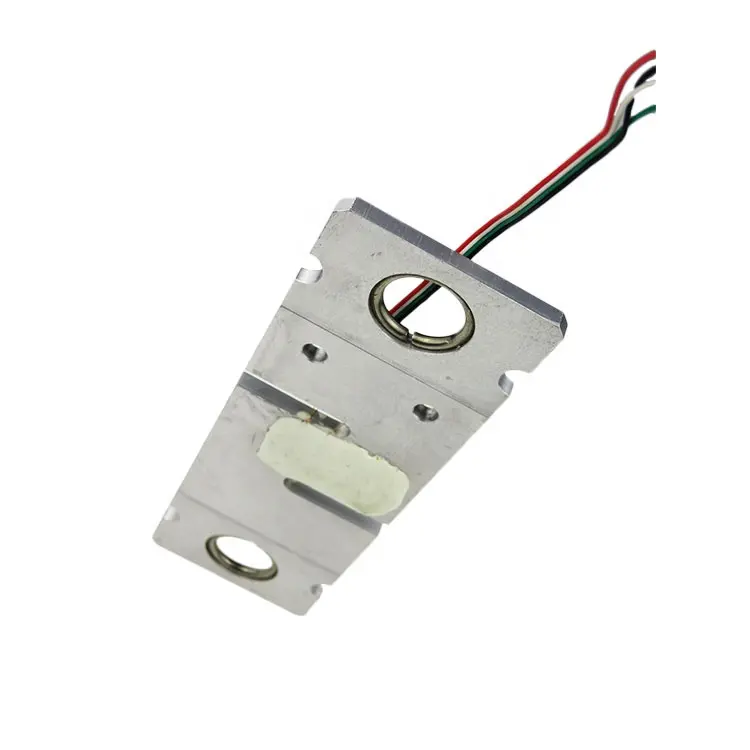
On the other hand, traditional pressure sensors primarily measure the force exerted by a fluid or gas on a specific area. They are widely used in industrial applications, such as monitoring hydraulic systems, pneumatic equipment, and process control. Pressure sensors are generally less sensitive to subtle touch forces and are not optimized for direct mechanical interaction.
In recent years, the integration of wireless technology has enabled the development of the Wireless Force Sensor, which allows force measurements without physical wiring. This advancement provides greater flexibility in robotic applications, reducing cable clutter and enabling easier integration into complex systems. Wireless force sensors are particularly valuable in mobile robotics, collaborative robots, and automated assembly lines.
For robotic applications, choosing a Force Sensor for Robotics requires considering factors such as sensitivity, response time, and mounting options. Touch force sensors are ideal for tasks that require delicate manipulation or human-like tactile sensing, while pressure sensors are more suited for applications involving fluid control or high-force measurement. Combining the right type of sensor with robotics technology ensures precise motion control, safer human-robot interaction, and enhanced automation efficiency.
In conclusion, understanding the differences between touch force sensors and pressure sensors is critical for engineers and designers. Touch Force Sensors, Wireless Force Sensors, and specialized Force Sensors for Robotics each serve unique purposes, and selecting the appropriate technology can significantly impact system performance and application success.