

When it comes to industrial automation and precise material handling,understanding the different types of Tension Sensors is crucial.A Tension Sensor is a device used to measure the force applied to a material,such as wire,cable,film,or textile,ensuring optimal production performance.Using the right sensor can improve product quality,reduce waste,and enhance operational efficiency.
The most common types of Tension Sensors include Load Cell Tension Sensors,Web Tension Sensors,and Tension Measurement Sensors.Load Cell Tension Sensors are widely used for heavy-duty applications,where precise measurement of force in metals,cables,and ropes is required.They provide accurate readings and are known for durability and reliability in harsh industrial environments.
For continuous materials like paper,plastic film,and textiles,Web Tension Sensors are more suitable.These sensors are designed to monitor the tension across a moving web,preventing material stretching or breakage during processing.Proper installation and calibration ensure consistent production quality.
Another popular type is the Tension Measurement Sensor,which integrates with automation systems for real-time monitoring and feedback control.This sensor type is ideal for applications requiring digital signal output and seamless integration with PLCs or CNC machines.
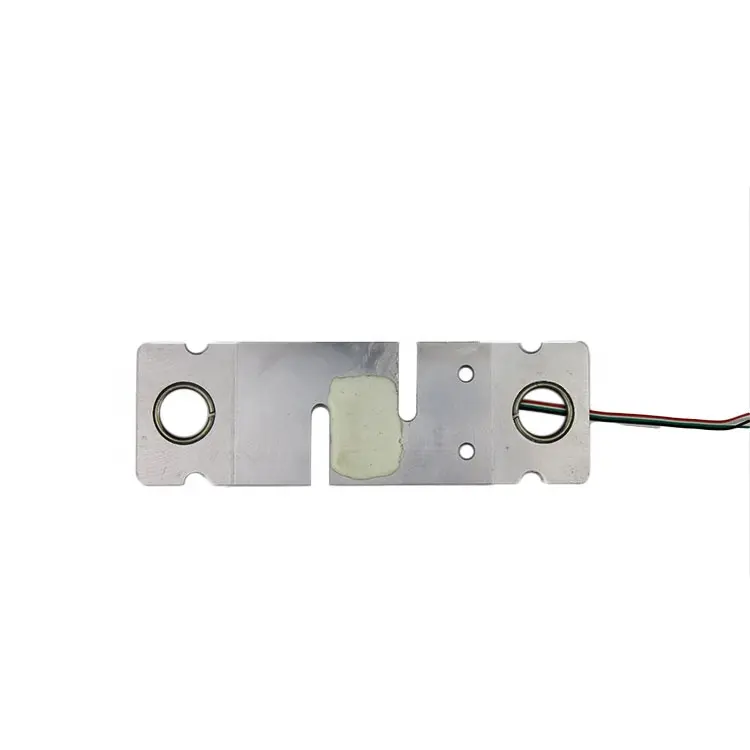
Choosing the right type of Tension Sensor depends on the application,material type,and required accuracy.Factors such as operating temperature,installation space,and signal output type should also be considered.Many manufacturers offer customizable solutions,allowing clients to select the sensor type that best fits their production line.
In conclusion,whether you need a Load Cell Tension Sensor for heavy wire applications or a Web Tension Sensor for film production,understanding the different types of Tension Sensors is essential.Selecting the right sensor not only improves efficiency but also ensures product quality and reduces operational risk.
If you are looking to buy a reliable Tension Sensor,professional suppliers can provide datasheets,calibration support,and sample testing to help you choose the best solution for your industrial needs.