

In industrial weighing systems, the performance of a single point load cell is not only defined by its accuracy and capacity, but also by how well it can survive in real working environments. One of the most critical technical factors that B2B buyers pay attention to is the IP rating, which directly determines whether the load cell can operate reliably in dusty, humid, or water-exposed conditions.
When sourcing from a single point load cell supplier or evaluating a single point load cell manufacturer, IP protection is often one of the first specifications engineers check, because it reflects the sealing quality and long-term durability of the product.
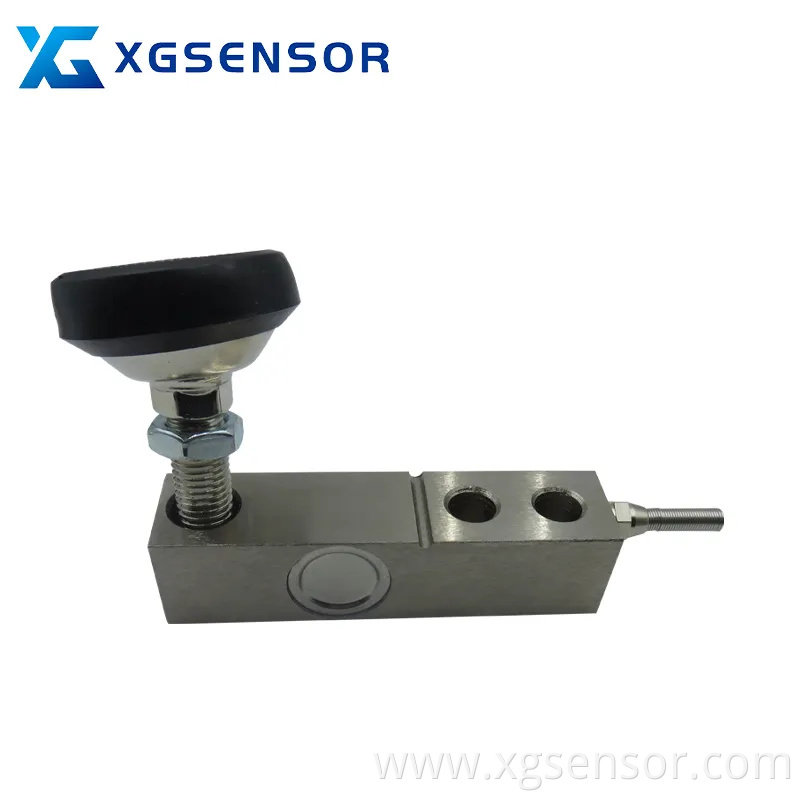
In most industrial applications, IP65 is considered the baseline requirement. This level ensures that the load cell is fully protected against dust ingress and can withstand low-pressure water jets. For standard platform scales used in warehouses or manufacturing environments, this is usually sufficient. However, once the application involves frequent washing, outdoor installation, or exposure to moisture, higher protection levels become necessary.
For example, in food processing environments where hygiene cleaning is frequent, IP66 or IP67 is commonly required. In more demanding conditions such as chemical plants or outdoor logistics systems, IP67 or even IP68 is preferred to ensure that the single point load cell continues to perform without signal drift or corrosion damage.
This is also where the capability of a single point load cell factory China becomes important. Not all factories are able to produce stable sealing structures that maintain accuracy after long-term environmental exposure. High-quality manufacturers typically use laser welding, advanced potting compounds, and strict IP testing processes to ensure consistency across batches.
For industrial buyers, selecting the correct IP rating is not just a technical decision, but a cost control strategy. A lower-cost load cell with insufficient protection may fail early, while a properly sealed unit from a reliable single point load cell manufacturer can significantly reduce maintenance frequency and downtime.
In real procurement practice, experienced engineers usually match IP rating with working environment first, then evaluate suppliers based on testing reports and manufacturing capability. This is why many global buyers prefer working directly with a professional single point load cell supplier that can provide both technical guidance and customized environmental protection levels.