

Signal instability or incorrect readings in torque sensors can disrupt production, reduce measurement accuracy, and even damage equipment if left unresolved. For engineers and procurement managers working with industrial systems, understanding how to troubleshoot these issues efficiently is essential.
One of the most common causes of signal problems in torque sensors is improper wiring or loose connections. Over time, connectors may degrade due to vibration, dust, or environmental exposure. Before assuming a sensor failure, it is always advisable to inspect all cables, connectors, and terminals. Ensuring proper shielding and grounding can also eliminate electrical noise, which is a frequent source of unstable signals in high-precision measurement environments.
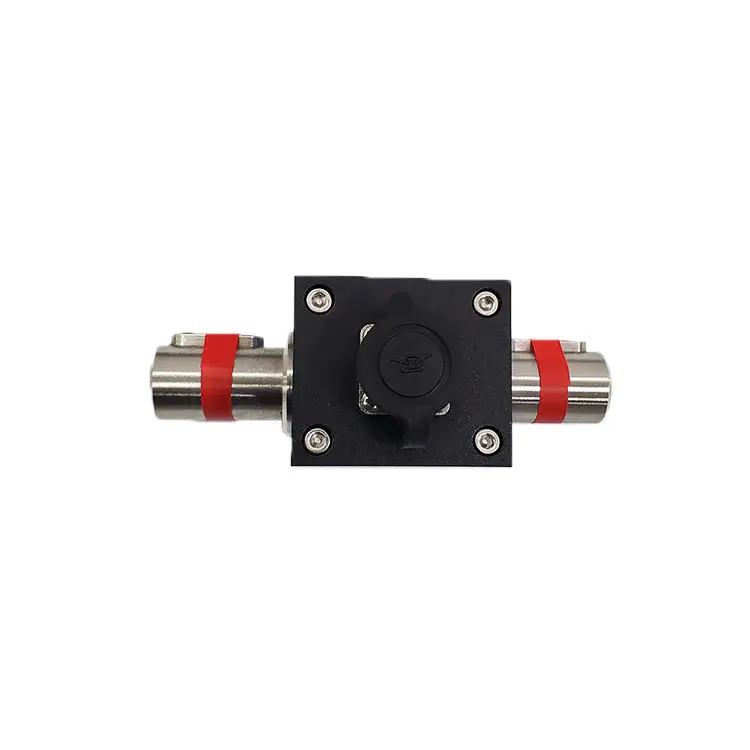
Another critical factor is signal interference. Torque sensors often operate in environments filled with motors, drives, and other electromagnetic sources. These can introduce noise into the signal output, especially if low-quality cables or insufficient shielding is used. Upgrading to high-quality shielded cables and maintaining proper cable routing away from high-power lines can significantly improve signal stability. Many experienced torque sensors suppliers recommend isolating signal lines and using differential signal outputs for better noise resistance.
Calibration drift is another issue that can lead to inaccurate or fluctuating signals. Over time, mechanical stress, temperature variation, and continuous operation can affect sensor calibration. Regular recalibration, either through built-in systems or external calibration equipment, is necessary to maintain accuracy. A reliable torque sensors manufacturer will usually provide calibration guidelines and support services to help maintain long-term performance.
Temperature fluctuations also play a major role in signal inconsistencies. Extreme heat or cold can alter the electrical properties of the sensor components, leading to drift or noise in the signal. In such cases, selecting sensors with temperature compensation features or installing additional environmental protection can mitigate these effects. Working with a professional torque sensors factory ensures access to products designed for harsh industrial environments.
Mechanical misalignment is another often overlooked issue. If the torque sensor is not properly aligned with the shaft or load, it can produce irregular or distorted signals. This not only affects measurement accuracy but may also lead to premature wear. Ensuring correct installation and alignment according to manufacturer specifications is essential for stable operation.
In some cases, the problem may lie in the data acquisition system rather than the sensor itself. Incorrect configuration of signal amplifiers, converters, or software settings can result in misleading readings. Verifying system compatibility and ensuring proper configuration can quickly resolve such issues.
Ultimately, troubleshooting signal issues in torque sensors requires a systematic approach that considers electrical, mechanical, and environmental factors. Partnering with an experienced torque sensors supplier or torque sensors manufacturer can provide valuable technical support and ensure that the right solutions are implemented. By addressing these common problems proactively, businesses can maintain accurate torque measurement and improve overall system reliability.