

Why Are Strain Gauges Essential in Fatigue Testing?
Understanding Fatigue Testing in Engineering
Fatigue testing is used to evaluate how materials behave under repeated loading and unloading cycles. In this process, Strain Gauges play a crucial role in capturing micro-level deformation that cannot be seen visually but is critical for failure prediction.
How Strain Gauges Measure Material Fatigue
A Strain Gauge Sensor detects small changes in resistance caused by mechanical deformation. The most commonly used type is the Resistance Strain Gauge, which converts mechanical strain into electrical signals for fatigue analysis.
As materials are repeatedly stressed, the Electrical Strain Gauge continuously records strain data, helping engineers understand when and how cracks or failures may occur.
Why Strain Gauges Are Critical in Fatigue Analysis
Strain Gauges are essential because they provide:
- High precision measurement of micro-deformation
- Real-time monitoring of stress cycles
- Early detection of structural failure risks
- Reliable long-term performance data
These features make them indispensable in industries such as automotive, construction, and heavy machinery manufacturing.
Applications in Industrial Fatigue Testing
In industrial environments, Strain Gauges are used in:
- Metal component fatigue testing
- Bridge and civil structure lifecycle analysis
- Aircraft component durability testing
- Engine and rotating machinery stress analysis
-
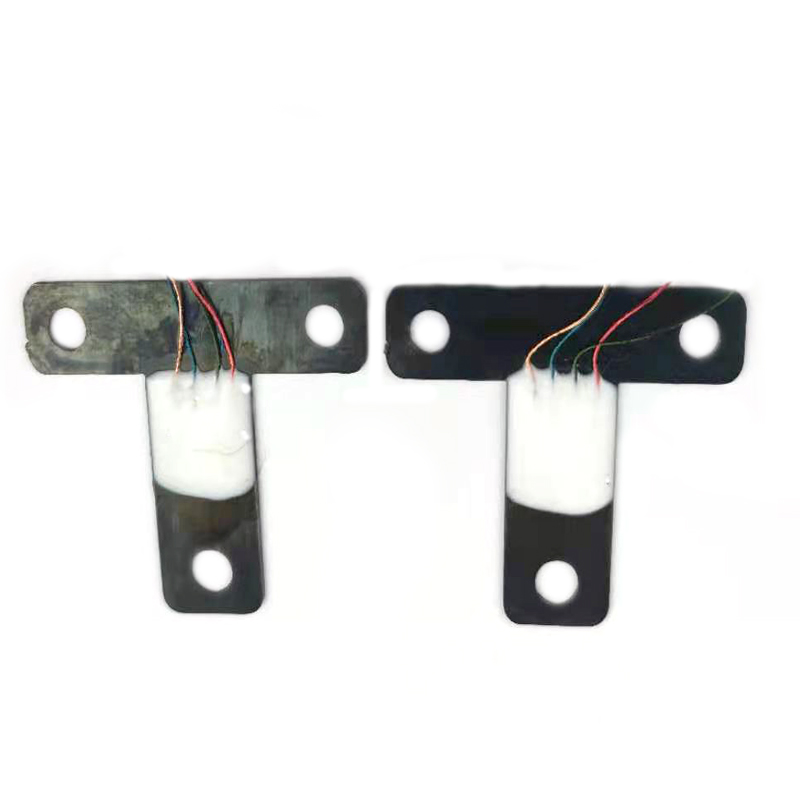
Advantages of Electrical Strain Gauges in Fatigue Testing
An Electrical Strain Gauge provides stable signal output even under continuous cyclic loading. Its high sensitivity ensures that even the smallest structural changes are recorded accurately, making it ideal for long-duration fatigue experiments.
Conclusion
Strain Gauges are a core technology in fatigue testing because they provide precise, real-time, and reliable stress measurement. With advanced Strain Gauge Sensors and resistance-based systems, engineers can significantly improve product safety and lifespan prediction.