

Common Issues With Single Point Load Cells
Single Point Load Cells are widely used in precision weighing systems because of their compact design and accurate measurement capability. However, like any electronic measuring component, they may experience performance problems during operation.
Understanding common failures and troubleshooting methods can help users quickly identify issues and reduce equipment downtime.
1. Unstable Weight Readings
One of the most common problems is unstable measurement output. The displayed weight may continuously fluctuate even when the load remains unchanged.
Possible causes include:
- Loose electrical connections
- Damaged cables
- External vibration
- Electromagnetic interference
- Poor grounding
Users should first check whether the cable connection is secure and inspect the surrounding environment. If the equipment operates near motors or high-power electrical devices, additional protection may be required.
2. Incorrect Weight Measurement
When a Single Point Load Cell provides inaccurate readings, the issue may come from installation problems or calibration errors.
Common reasons include:
- Incorrect mounting position
- Uneven load distribution
- Overloading
- Incorrect calibration parameters
A Single Point Load Cell requires proper installation to achieve accurate performance. Even small mechanical errors can affect measurement results.
3. Zero Drift Problems
Zero drift means the displayed value changes when there is no load applied. This issue can affect weighing accuracy.
Possible causes include:
- Temperature changes
- Moisture exposure
- Aging components
- Electrical signal instability
High-quality load cells usually include temperature compensation technology to reduce the impact of environmental changes.
4. No Signal Output
If the weighing system shows no response, the problem may be related to wiring or internal damage.
Check:
- Power supply
- Cable condition
- Connector connection
- Load cell resistance value
If the electrical circuit is damaged, replacement may be necessary.
5. Overload Damage
A Single Point Load Cell has a specific maximum capacity. Applying weight beyond the rated capacity may permanently damage the elastic body or strain gauge.
To prevent overload issues:
- Select the correct capacity model
- Avoid impact loading
- Install mechanical protection when necessary
A professional Single Point Load Cell Supplier can recommend suitable models based on application requirements.
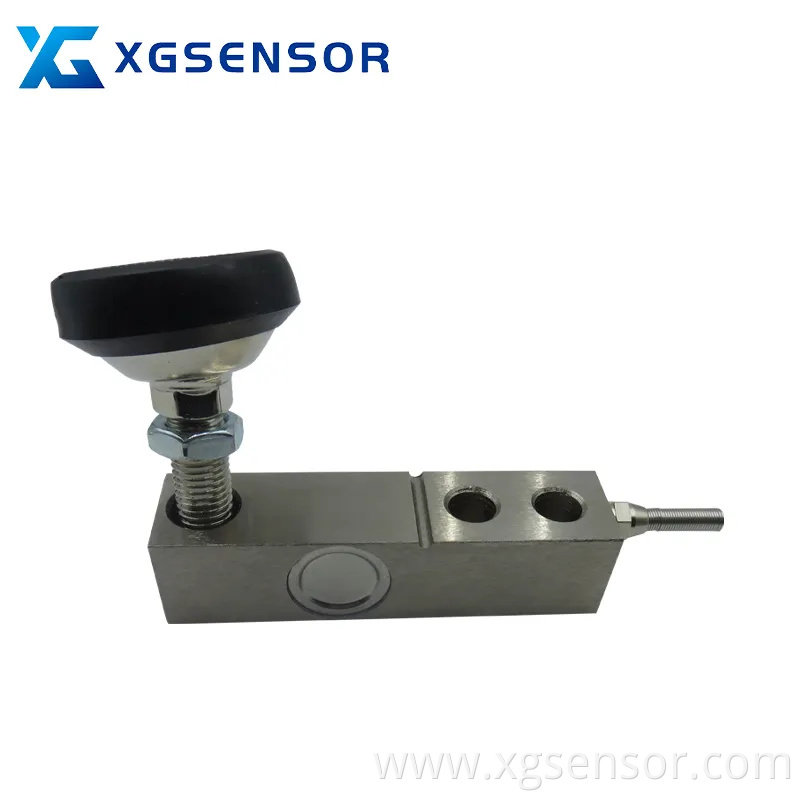
Maintenance Tips for Better Performance
Regular maintenance helps extend the service life of Single Point Load Cells.
Recommended practices include:
- Inspect cables regularly
- Keep installation areas clean
- Check calibration periodically
- Avoid excessive mechanical impact
- Protect against moisture and contamination
For industrial applications, choosing products from a reliable Single Point Load Cell Factory can improve long-term stability.
How to Choose the Right Supplier?
When purchasing Single Point Load Cells, buyers should evaluate supplier capabilities beyond product pricing.
A professional Single Point Load Cell Manufacturer should provide:
- Technical specifications
- Custom design support
- Product testing information
- Application recommendations
A capable Single Point Load Cell Factory can also support OEM and customized projects, helping customers develop solutions for specific weighing systems.
Conclusion
Troubleshooting Single Point Load Cell problems requires checking mechanical installation, electrical connections, environmental conditions, and calibration settings. Most common issues can be prevented through proper installation, regular maintenance, and selecting suitable products. Partnering with an experienced Single Point Load Cell Manufacturer or Supplier ensures better product consistency and technical support for different weighing applications.