

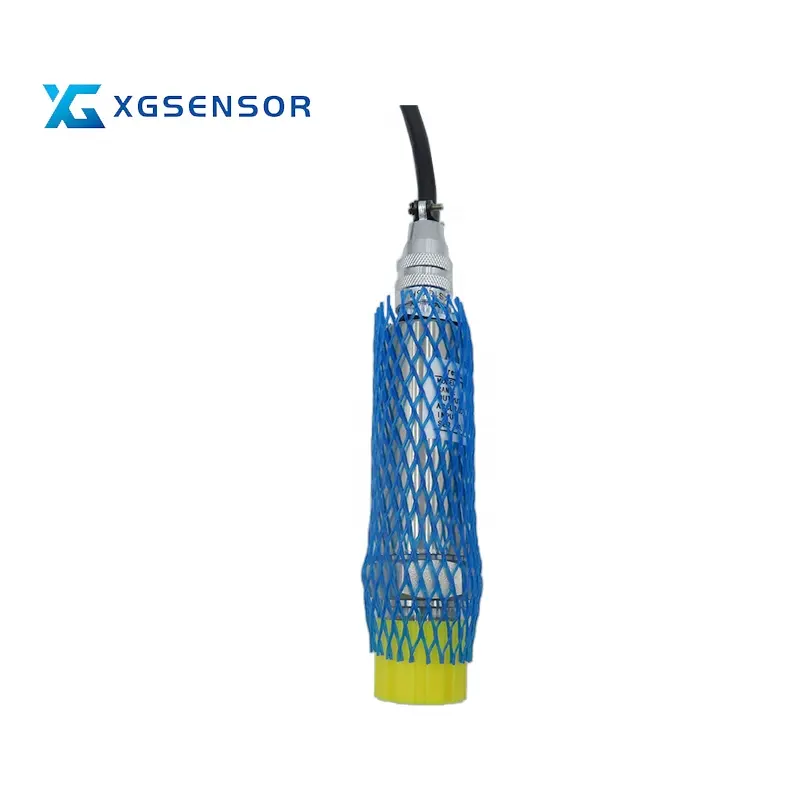
A melt pressure sensor is responsible for measuring the pressure of molten material as it flows through the barrel, die, or nozzle of extrusion and injection machines. This pressure reading is critical because it directly impacts the flow rate, density, and structural integrity of the final product. Excessive melt pressure can damage machinery and cause product defects, while insufficient pressure may indicate blockages or feed inconsistencies. These sensors are typically built using strain gauge or piezoelectric technology, enclosed in stainless steel or Inconel bodies that withstand both high pressure and elevated temperatures—often exceeding 400°C. Melt pressure sensors are strategically placed along the extrusion line, especially near die heads, to provide real-time feedback to control systems and prevent equipment failure or material waste.
In contrast, melt temperature sensors are designed to monitor the thermal state of the polymer melt. Maintaining the correct melt temperature is crucial for achieving proper viscosity, optimal material flow, and preventing thermal degradation. Most melt temperature sensors are either thermocouples (such as type J, K, or E) or RTDs (Resistance Temperature Detectors), capable of delivering accurate, responsive readings in high-heat environments. These sensors are often installed in heater zones or immediately before the material exits through the die, ensuring that the melt reaches the appropriate temperature range for the specific polymer being processed. Overheating can lead to discoloration, burning, or molecular breakdown of the polymer, while underheating may cause poor surface finish, voids, or inconsistent extrusion.
While these two sensor types serve different functions, they are highly complementary and are often used together in the same process. For instance, a pressure spike without a corresponding temperature change may signal a blockage or mechanical issue, while a sudden temperature drop might indicate a heater failure or cooling system malfunction. Many modern systems use dual-function sensors that integrate both melt pressure and temperature sensing elements into a single probe. These combined sensors save space, simplify installation, and deliver synchronized data for better process automation and closed-loop control.
In terms of construction, melt pressure sensors are designed to handle both high pressure and temperature, often featuring flexible capillaries or cooling adapters to extend service life and ensure measurement accuracy. Melt temperature sensors, on the other hand, are optimized for thermal sensitivity and often include ceramic or mineral-insulated cables for stability in extreme environments. Both types of sensors can be integrated into programmable logic controllers (PLCs) or SCADA systems, enabling real-time data acquisition, trend analysis, and automatic process adjustments.
The key difference between melt pressure and melt temperature sensors lies in the physical property they measure—pressure versus temperature—but together, they form the backbone of intelligent polymer processing. Their combined use enhances process control, ensures consistent product dimensions and performance, and reduces downtime caused by material inconsistencies or equipment malfunction. For manufacturers working with thermoplastics, elastomers, or composites, understanding the function, installation, and maintenance of these sensors is vital for achieving high-yield, high-quality operations in today’s competitive industrial landscape.