

In the plastic and rubber manufacturing sectors, maintaining precise control over melt pressure is crucial for product quality and process efficiency. The High Temperature Melt Pressure Sensor 4-20mA has become an essential tool in modern injection molding, extrusion, and rubber processing applications. By providing accurate and continuous pressure monitoring, these sensors ensure consistency, reduce defects, and optimize production.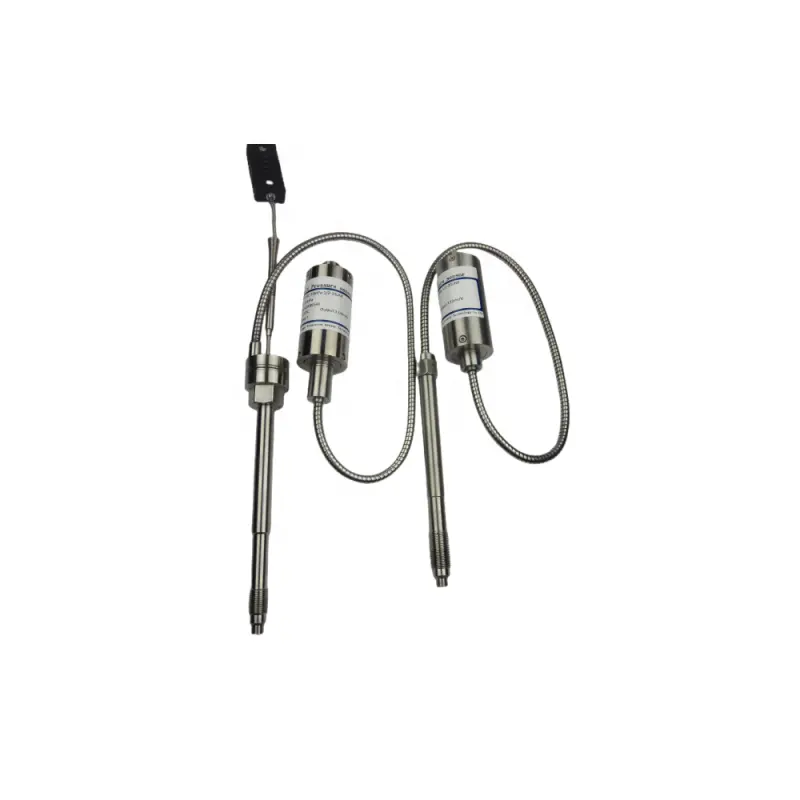
Injection Molding
Injection molding requires precise control of molten plastic or rubber as it is injected into molds. Variations in melt pressure can lead to defects such as warping, voids, or uneven filling. Installing a High Temperature Melt Pressure Sensor 4-20mA allows operators to monitor pressure in real-time, making it easier to adjust injection parameters for optimal flow and consistent part quality. The 4-20mA output ensures compatibility with industrial control systems, enabling automated monitoring and data logging.
Extrusion Processes
In extrusion, molten material is forced through a die to create continuous shapes like pipes, sheets, and profiles. Pressure fluctuations can affect wall thickness and dimensional accuracy. Using a High Temperature Melt Pressure Sensor 4-20mA in the extrusion barrel provides precise feedback, helping maintain uniform pressure throughout the process. This improves product consistency and minimizes material waste.
Rubber Processing
Rubber compounds require careful control during molding and extrusion to ensure elasticity, strength, and surface finish. The high-temperature capabilities of these sensors allow them to operate in demanding environments, monitoring melt pressure even under extreme conditions. By integrating the sensor with a 4-20mA control loop, manufacturers can automate pressure adjustments, reducing the risk of over-pressurization and improving overall product reliability.
Process Optimization and Quality Control
Across both plastic and rubber industries, High Temperature Melt Pressure Sensor 4-20mA units support advanced process optimization. They provide real-time data that can be analyzed to fine-tune machinery, reduce cycle times, and improve energy efficiency. Furthermore, consistent pressure monitoring helps maintain tight tolerances, ensuring that finished products meet stringent quality standards.
Integration with Automation Systems
Modern manufacturing facilities rely on industrial automation for efficiency and consistency. The 4-20mA signal from these sensors integrates seamlessly with PLCs (Programmable Logic Controllers) and SCADA (Supervisory Control and Data Acquisition) systems. This enables automated adjustments, continuous data recording, and remote monitoring, enhancing both productivity and safety.