

High-temperature pressure sensors are widely used in industrial applications where extreme temperatures are involved,such as power plants,chemical processing,and automotive engines.Selecting the right fluid media is critical for ensuring accurate measurements and extending the sensor’s lifespan.Common suitable fluid media include water,steam,oils,fuels,and certain chemical solutions that do not corrode the sensor materials.High-temperature pressure sensors often feature protective diaphragms or stainless-steel housings to withstand aggressive fluids and maintain stability.
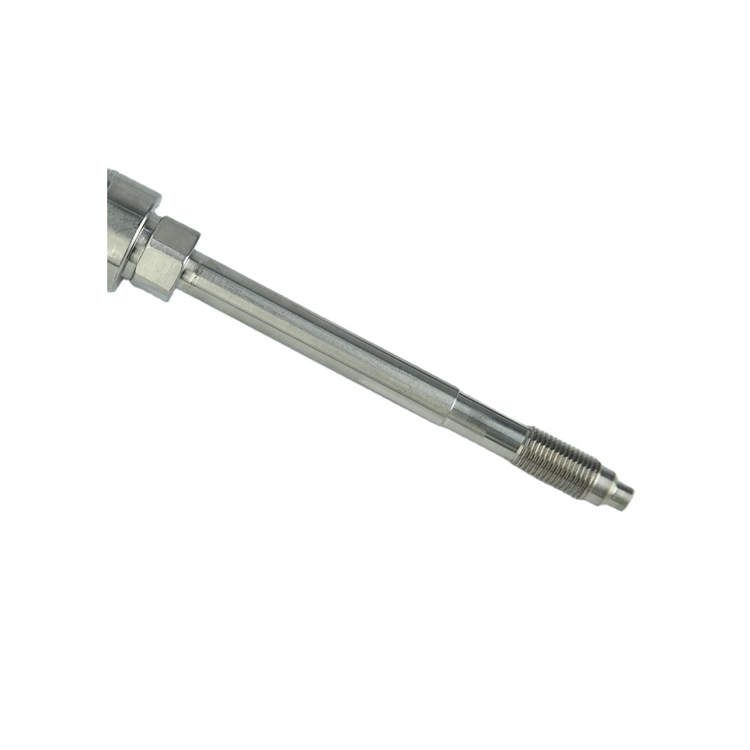
When choosing fluid media,it is essential to consider factors such as chemical compatibility,viscosity,temperature range,and potential impurities.For example,highly corrosive acids or strong alkalis may damage sensor components unless the sensor is specifically designed for such media.Oils and fuels are generally compatible with sensors featuring robust sealing and high-temperature resistance,while steam applications require sensors capable of handling pressure fluctuations at elevated temperatures.
Proper selection of fluid media also improves response time and measurement accuracy.Using incompatible media can lead to drift,slow response,or sensor failure.Always refer to the manufacturer’s guidelines for recommended fluids and installation best practices.By carefully selecting the fluid media,users can maximize performance,reliability,and lifespan of high-temperature pressure sensors in demanding industrial environments.