

Installing a load cell may seem straightforward, but even small mistakes can affect accuracy, shorten lifespan, or lead to costly downtime. One of the most common issues is improper mounting. If the load cell is not aligned correctly, the signal output will be inconsistent, especially for Single Point Load Cells used in platform scales where load distribution matters. Another frequent mistake is ignoring cable management. Sharp bends, electrical interference, or unsecured wiring can reduce the performance of sensitive Digital Load Cells, which rely on clean signals for precise readings.
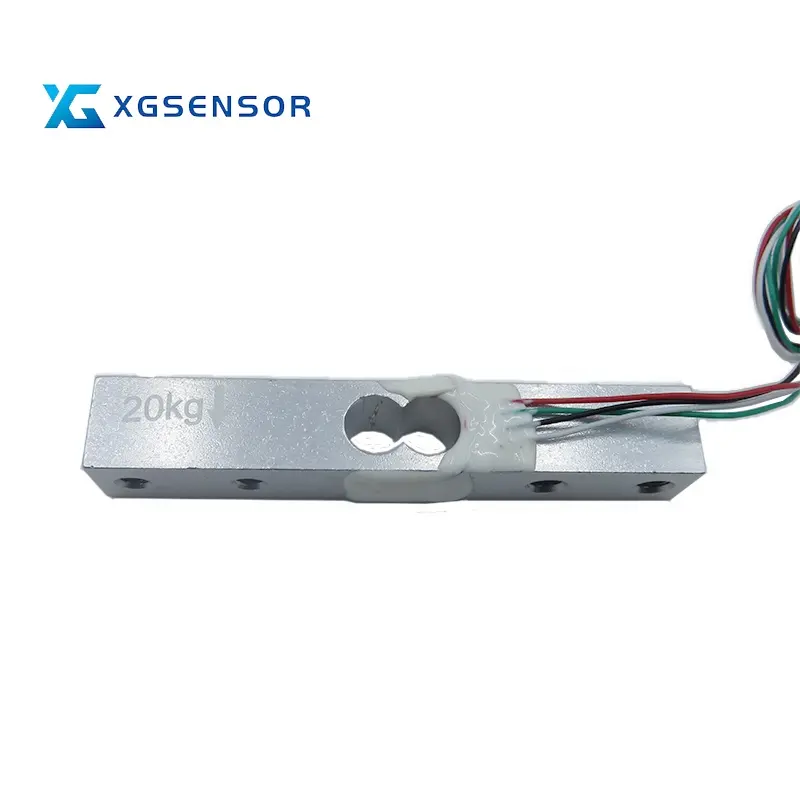
Overloading is another risk during installation. Engineers sometimes forget to check the rated capacity, causing Miniature Load Cells to deform under excessive force. This not only damages the sensor but also creates long-term measurement errors. Improper grounding or skipping calibration after installation can also compromise data accuracy.
To avoid these mistakes, it is important to follow manufacturer guidelines, use proper mounting hardware, and calibrate the system under actual operating conditions. By taking care during installation, industries can maximize the performance of Single Point, Digital, and Miniature Load Cells while ensuring reliable weighing results.