

High temperature pressure sensors are essential devices in industries where extreme heat is involved,such as aerospace,automotive,and chemical processing.One of the main challenges these sensors face is thermal expansion.When materials heat up,they expand,and this can affect the accuracy of pressure readings if not properly managed.High Temperature Pressure Sensors are designed with materials that can withstand thermal stress,such as stainless steel or ceramics,which maintain their shape and resist deformation under high temperatures.
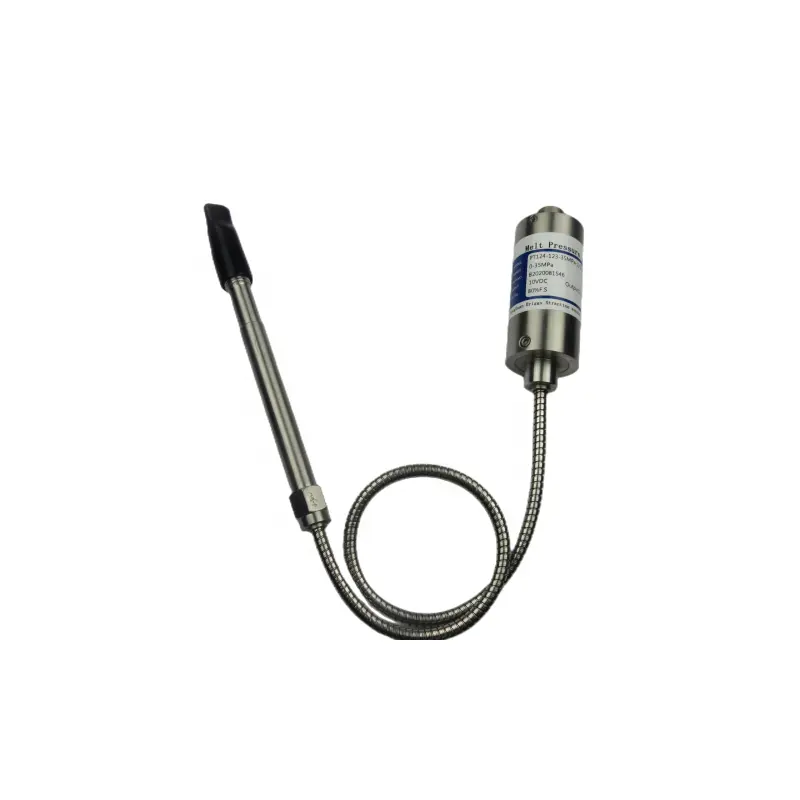
Manufacturers often incorporate compensation techniques to handle thermal expansion.For example,some High Temperature Pressure Sensors include built-in temperature sensors that adjust the pressure reading in real time.Others use diaphragm structures or special alloys that minimize expansion effects.Proper installation also plays a key role.Sensors must be mounted in locations that allow for some thermal movement without distorting the measurement.
Understanding how High Temperature Pressure Sensors handle thermal expansion helps engineers select the right sensor for demanding environments.It ensures accurate readings even when equipment is exposed to extreme heat cycles.Regular calibration and maintenance further enhance performance.By choosing sensors engineered for thermal stability,companies can maintain operational efficiency,avoid costly downtime,and ensure safety in critical applications.