

Pressure transmitters play a crucial role in modern industrial processes,providing accurate measurement and monitoring of pressure in various systems.Selecting the right type of pressure transmitter is essential for ensuring efficiency,safety,and reliability in industrial operations.Industrial environments demand devices that can withstand harsh conditions while delivering precise readings,making the choice of pressure transmitter critical for engineers and plant operators alike.
In industrial applications,there are several types of pressure transmitters,each designed to meet specific operational requirements.The most commonly used are Industrial Pressure Transmitters,which are robust devices suitable for heavy-duty environments such as oil and gas,chemical processing,and manufacturing plants.These transmitters are designed to handle high-pressure ranges and offer excellent durability against corrosion,temperature fluctuations,and vibration.
Another popular type is the Digital Pressure Transmitter,which combines advanced sensing technology with digital output capabilities.Unlike traditional analog transmitters,digital pressure transmitters provide high-resolution data and can easily integrate with modern control systems,allowing for real-time monitoring and automated process adjustments.This makes them highly suitable for industries that rely on precision,such as pharmaceutical manufacturing,food and beverage processing,and semiconductor production.
Industrial pressure transmitters can be further categorized based on their sensing principle.For instance,piezoelectric pressure transmitters use the piezoelectric effect to measure changes in pressure,offering high sensitivity and fast response times.Capacitive pressure transmitters,on the other hand,measure pressure changes by detecting variations in capacitance,providing excellent stability and accuracy over a wide range of conditions.For more demanding applications,differential pressure transmitters measure the difference between two points in a system,enabling precise flow and level calculations in complex industrial setups.
Installation and maintenance of pressure transmitters are also important considerations.Industrial pressure transmitters are often installed in pipelines,tanks,or vessels where they monitor critical pressure points.Proper calibration ensures that the readings are accurate,which is essential for process control and safety.Digital pressure transmitters simplify this process with self-calibration and remote diagnostics,reducing downtime and maintenance costs.
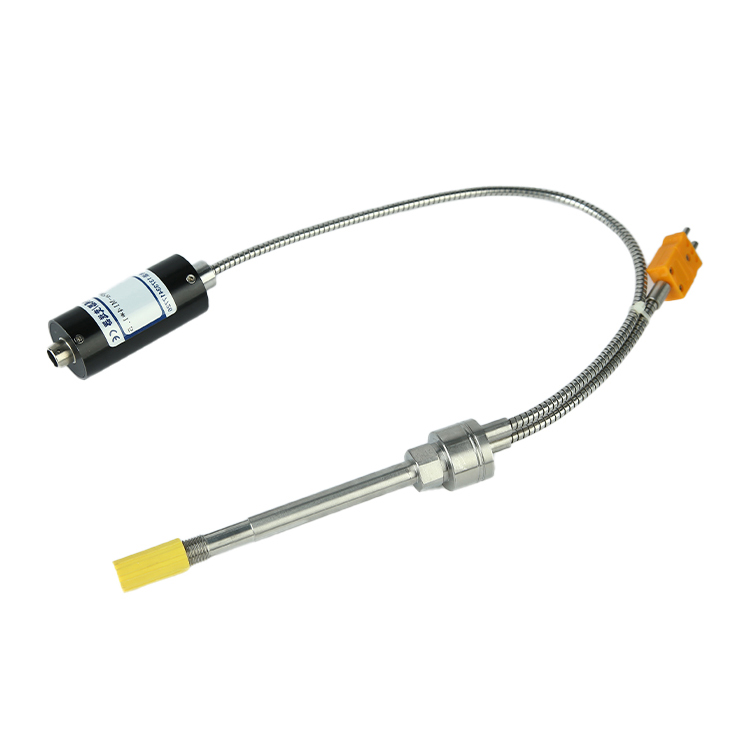
The integration of pressure transmitters into industrial automation systems has revolutionized process control.Modern industrial facilities rely on Pressure Transmitter networks to continuously monitor system conditions,detect anomalies,and optimize performance.The data collected by these transmitters allows operators to make informed decisions,improve efficiency,and prevent costly equipment failures.Whether it's a standard industrial pressure transmitter or a sophisticated digital pressure transmitter,these devices are indispensable for achieving reliable and efficient operations.
In conclusion,understanding the different types of pressure transmitters and their applications is key for industrial professionals.Choosing between a robust Industrial Pressure Transmitter or a high-precision Digital Pressure Transmitter depends on the specific requirements of the application,including pressure range,environmental conditions,and integration needs.By selecting the right pressure transmitter,industries can ensure operational efficiency,safety,and long-term reliability.