

Buying a force sensor is not simply a matter of choosing a load range and placing an order.For engineers and purchasing professionals alike,understanding the key specifications behind a force sensor is essential to ensuring reliable performance,long-term stability,and accurate data.This is especially true when sourcing a high precision force sensor or working with a custom force sensor manufacturer for specialized applications.
One of the most critical specifications to consider is measurement range.The force sensor must be capable of handling both the maximum expected load and smaller force variations without sacrificing accuracy.Selecting a sensor with an excessively high range may reduce resolution,while choosing a range that is too narrow increases the risk of overload and permanent damage.In industrial force sensor applications,where loads may fluctuate rapidly,an appropriate safety margin is particularly important.
Accuracy is another defining factor.Accuracy is typically influenced by linearity,hysteresis,and repeatability,all of which determine how closely the sensor output reflects the actual applied force.In applications requiring extremely fine force control,such as robotic gripping or medical instrumentation,a high precision force sensor with minimal measurement deviation is essential.Buyers should look beyond headline accuracy numbers and consider how the sensor performs under real operating conditions.
Resolution also plays a major role in force sensor selection.Resolution defines the smallest change in force that the sensor can reliably detect.In quality control or testing environments,insufficient resolution can make it difficult to identify subtle variations that affect product performance.A reputable custom force sensor manufacturer can optimize sensor design and signal conditioning to achieve higher resolution without compromising stability.
Environmental factors are often overlooked during the purchasing process,yet they significantly impact sensor lifespan and performance.Temperature variations,humidity,vibration,and electromagnetic interference can all influence force sensor output.Industrial force sensor installations,in particular,require robust designs that maintain accuracy even in harsh environments.When evaluating suppliers,it is important to confirm environmental compensation features and protection ratings.
Output signal type is another key specification that directly affects system integration.Force sensors may offer analog outputs such as voltage or current,or digital outputs suitable for modern control systems.Choosing the right output ensures seamless communication with controllers,data acquisition systems,or PLCs.Many customers prefer working with a custom force sensor manufacturer who can tailor output formats to match existing infrastructure.
Mechanical design and mounting options also deserve careful attention.The way force is applied to the sensor—compression,tension,shear,or bending—must align with the sensor’s internal structure.Improper mounting can introduce measurement errors or reduce sensor lifespan.High precision force sensor applications often require compact designs and precise alignment,while industrial force sensor setups prioritize strength and durability.
Calibration and long-term stability are equally important considerations.Over time,mechanical fatigue and environmental exposure can cause sensor drift.Sensors that are well-calibrated at the factory and designed for long-term stability reduce maintenance costs and downtime.A reliable custom force sensor manufacturer will provide calibration documentation and support recalibration services when needed.
Finally,supplier reliability should not be underestimated.Technical specifications are only valuable if the manufacturer can consistently deliver quality products and ongoing support.When sourcing force sensors for critical systems,buyers benefit from partnering with manufacturers who understand application requirements,offer engineering support,and provide consistent quality control.This is especially true when custom designs or high precision force sensor solutions are required.
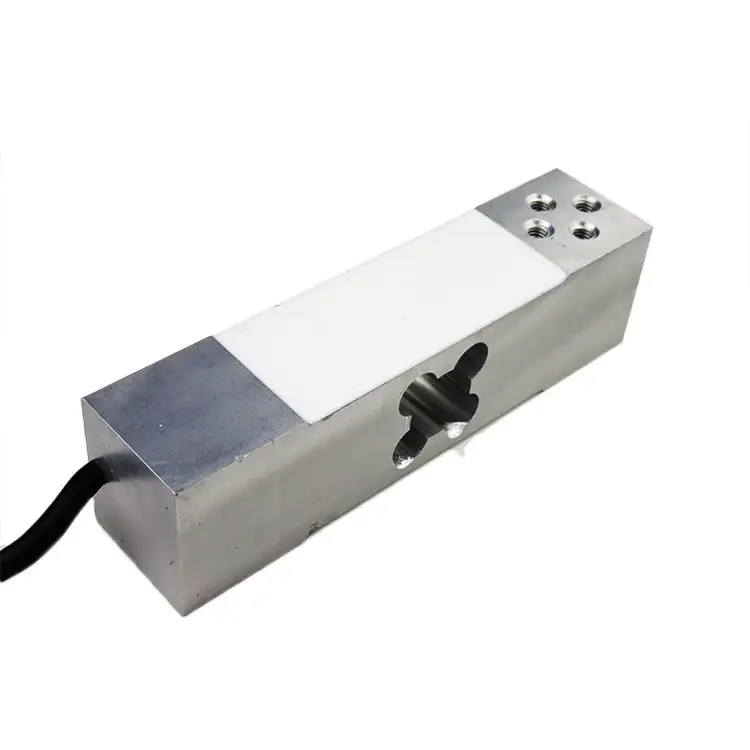
In summary,buying the right force sensor requires more than comparing basic specifications.By carefully evaluating range,accuracy,resolution,environmental resistance,output compatibility,and supplier expertise,you can select a force sensor that delivers reliable performance and long-term value.Whether you are integrating an industrial force sensor into automation equipment or sourcing a customized solution,understanding these key specifications will help ensure a successful investment.