

Industrial Pressure Sensors are vital components in modern industrial systems,providing accurate measurements that are essential for process control,safety,and efficiency.When deploying these sensors in harsh industrial environments,one of the primary concerns is whether the Industrial Pressure Sensor can resist water,dust,and other contaminants.Understanding the waterproof and dustproof capabilities of Industrial Pressure Sensors helps ensure long-term reliability and performance in challenging conditions.
Industrial environments often expose pressure sensors to moisture,dust,and other particulates,especially in outdoor installations,food processing plants,chemical facilities,and mining operations.Standard Industrial Pressure Sensors may not be designed to handle such harsh conditions,which could lead to corrosion,short circuits,and inaccurate readings.To address these challenges,many sensors are designed with ingress protection,commonly referred to as an IP rating,which indicates the level of protection against solids and liquids.
Waterproof Industrial Pressure Sensors are built to prevent the ingress of water,whether from splashes,condensation,or submersion.IP ratings such as IP65,IP66,or IP68 are commonly used to specify protection levels.For example,an IP67-rated Industrial Pressure Sensor can be submerged in water up to 1 meter for a limited period without compromising functionality.This capability is critical in applications where the sensor may be exposed to rain,cleaning processes,or liquid spills.The housing materials,seals,and cable entries are carefully designed to maintain waterproofing over the sensor’s operational life.
Dustproof Industrial Pressure Sensors prevent particles from entering the sensor housing,which could interfere with the sensing element or electronic circuits.Fine dust in manufacturing plants,construction sites,or mining operations can penetrate unprotected sensors,leading to mechanical wear and degraded performance.High-quality Industrial Pressure Sensors use sealed housings,gaskets,and filtered venting systems to ensure dust resistance.IP6X ratings are commonly used to denote complete protection against dust ingress.
The benefits of using waterproof and dustproof Industrial Pressure Sensors are substantial.They reduce maintenance requirements,prevent sensor failure,and extend service life,which ultimately saves costs and minimizes downtime.For example,in the food and beverage industry,sensors may be exposed to washdowns and humidity,making waterproof and dustproof designs essential for hygiene and reliability.Similarly,in outdoor pipeline monitoring,dust and rain-resistant sensors ensure consistent readings in unpredictable weather.
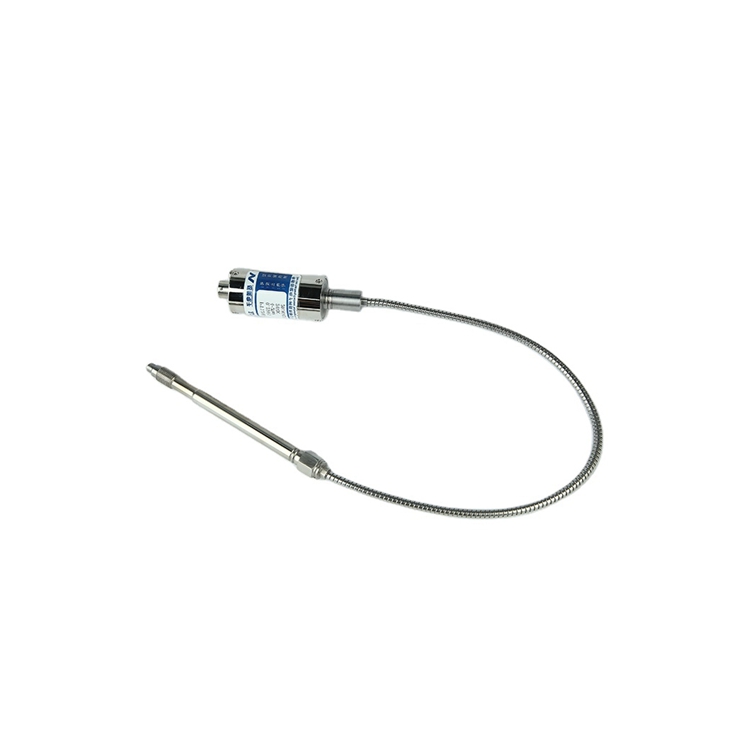
When selecting an Industrial Pressure Sensor for wet or dusty environments,buyers should consider factors such as IP rating,housing material,cable and connector sealing,and maintenance requirements.Some Industrial Pressure Sensors also feature protective coatings or encapsulation to further enhance resistance to corrosion and particulate ingress.Ensuring that the sensor meets the environmental demands of the specific application is crucial for long-term accuracy and durability.
In summary,many Industrial Pressure Sensors are designed to be waterproof and dustproof,allowing them to operate reliably in harsh industrial conditions.By choosing sensors with appropriate IP ratings and protective features,industries can maintain precise pressure measurements,reduce downtime,and ensure process safety.Whether in food processing,chemical plants,outdoor installations,or mining operations,waterproof and dustproof Industrial Pressure Sensors provide the durability and reliability required to meet modern industrial demands.