

In real industrial environments, torque sensors are often exposed to electromagnetic interference, vibration, temperature changes, and complex electrical systems. These factors can affect measurement stability and accuracy if the sensor is not properly designed or installed. Therefore, improving the anti-interference capability of torque sensors is essential for ensuring reliable long-term performance.
One of the most effective ways to reduce interference is the use of shielded cables combined with proper grounding techniques. Shielding helps block external electromagnetic noise, while proper grounding ensures stable signal transmission. Without these measures, even high-quality sensors may produce unstable readings in noisy industrial environments. A professional Torque sensor manufacturer typically provides detailed installation guidance to help users optimize signal protection.
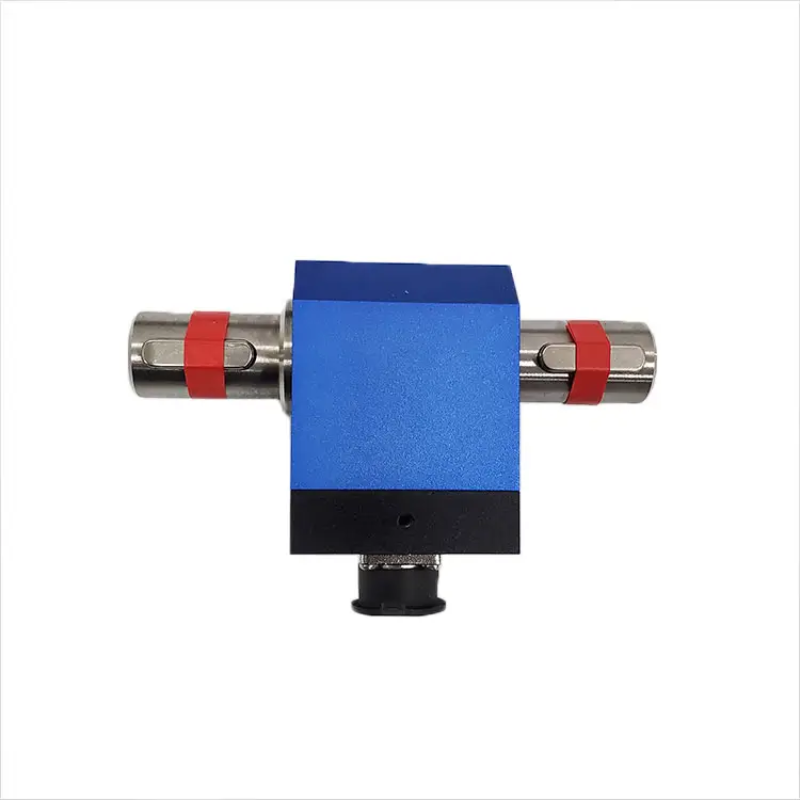
Another important improvement comes from using digital signal transmission instead of analog output. Digital communication protocols such as CAN bus or RS485 significantly reduce the impact of external noise because the signal is transmitted in encoded form. This makes the system more stable and reliable, especially in environments with high electrical interference. A reliable Torque sensor supplier often recommends digital output models for demanding industrial applications where signal integrity is critical.
Internal sensor design also plays a major role in anti-interference performance. Advanced torque sensors use optimized circuit layouts, signal filtering technology, and electrical isolation to minimize internal noise sensitivity. High-quality components and precise manufacturing processes further improve stability. A professional Torque sensor factory China usually invests in advanced production technology to ensure consistent quality and strong anti-interference performance for global customers.
Environmental protection design is another key factor. Torque sensors used in harsh conditions often require protective housing with dustproof, waterproof, and vibration-resistant features. Temperature compensation systems also help maintain accuracy under varying thermal conditions. Many Torque sensor manufacturer products are designed with industrial-grade protection to ensure stable operation in challenging environments such as heavy machinery, automotive testing, and production lines.
Regular calibration and maintenance are also important for maintaining long-term anti-interference performance. Even the best-designed sensors can experience drift over time due to continuous use. Proper calibration ensures that the sensor continues to deliver accurate and stable readings. A professional Torque sensor supplier usually provides calibration services or technical support to help maintain long-term performance.
In conclusion, improving anti-interference capability requires a combination of proper installation, advanced signal design, robust hardware structure, and regular maintenance. Choosing an experienced Torque sensor factory China or global Torque sensor manufacturer ensures better reliability, stronger performance, and more stable operation in complex industrial environments.