

In modern textile manufacturing,maintaining stable material tension is one of the most important factors for ensuring product quality and production efficiency.A high-performance tension sensor for textile machinery helps manufacturers monitor and control yarn,fabric,and fiber tension throughout the production process.Without proper tension control,textile materials may suffer from wrinkles,stretching,breakage,or uneven winding,which can directly affect final product quality.
Tension sensors are widely used in spinning machines,weaving equipment,dyeing systems,knitting machinery,and fabric winding applications.In spinning production lines,the sensor continuously detects yarn tension to prevent thread breakage and maintain smooth operation during high-speed manufacturing.This not only improves productivity but also reduces material waste and machine downtime.
Another important application is in winding and rewinding systems.A reliable tension sensor for winding machine helps maintain consistent tension while fabrics,films,or yarns are rolled onto reels.Stable tension ensures neat winding edges,uniform roll density,and improved product appearance.Textile factories often rely on automatic tension control systems to improve production consistency and reduce manual adjustments.
In printing and dyeing processes,precise tension monitoring is equally essential.A tension sensor for printing machine helps control the movement of textile materials during printing operations,preventing misalignment and maintaining print accuracy.Stable web tension can significantly improve color consistency and reduce defects during high-speed textile printing.
As automation becomes more common in modern factories,intelligent tension monitoring systems are increasingly integrated with PLC and industrial control systems.These advanced solutions provide real-time feedback,allowing operators to adjust machine parameters automatically and improve overall efficiency.Many manufacturers now prefer digital tension sensors because of their higher accuracy,faster response time,and compatibility with smart factory systems.
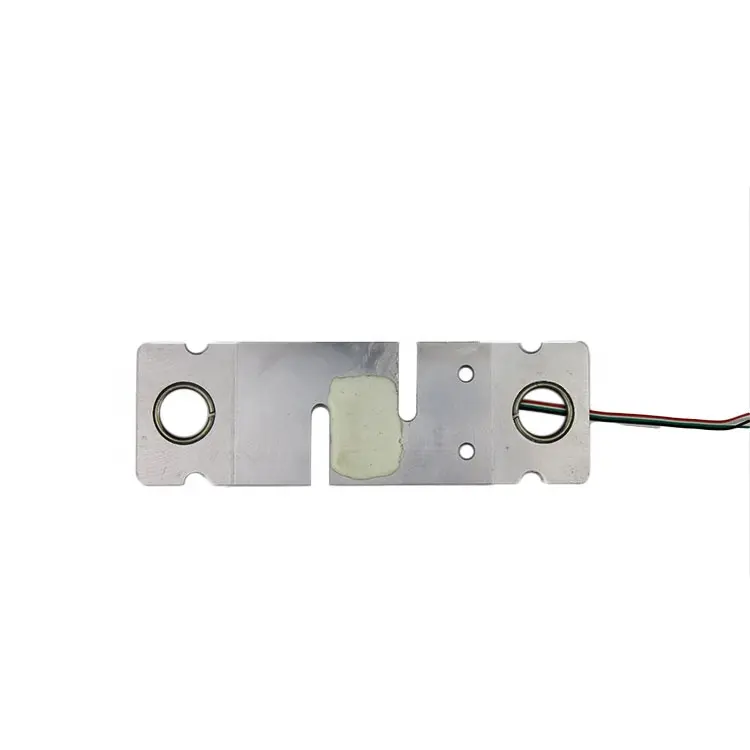
Besides textile applications,similar technologies are also widely used as a tension sensor for wire and cable production,where stable tension is critical for maintaining product quality during winding,extrusion,and insulation processes.This shows how versatile tension sensing technology has become across different industrial sectors.
Choosing the right tension sensor can help textile manufacturers improve product consistency,reduce maintenance costs,and enhance production stability.With the growing demand for high-speed and automated textile production,tension sensors continue to play a key role in modern industrial manufacturing.