

This article explains the key differences between these two types of Digital Load Cells and helps engineers, manufacturers, and system integrators select the right option for their applications.
Understanding Digital Load Cells
Digital Load Cells convert force into digital signals that can be directly processed by weighing indicators, PLC systems, or industrial automation platforms. Compared with traditional analog sensors, Digital Load Cells provide higher signal stability, reduced interference, and more accurate real-time monitoring.
Many modern weighing systems now integrate a load cell with digital display or a load cell with digital readout to improve operational visibility and simplify data collection in factories, logistics centers, and smart production lines.
What Are Single-Point Digital Load Cells?
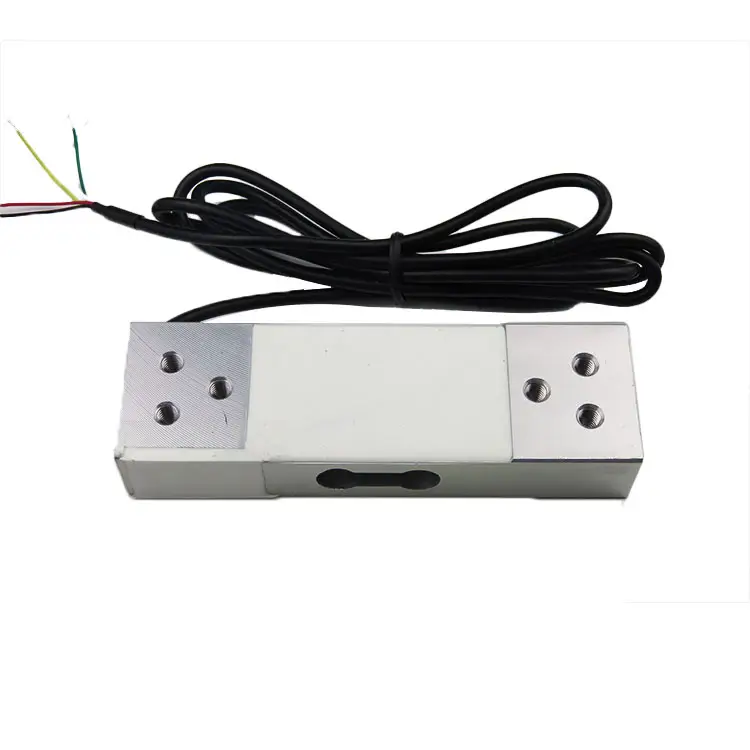
Single-point Digital Load Cells are specifically designed to measure off-center loads accurately. They are commonly installed beneath small platforms or weighing tables where the load may not always be positioned perfectly in the center.
Main Features of Single-Point Digital Load Cells
- High accuracy for off-center loading
- Compact and lightweight design
- Easy integration into retail and industrial scales
- Stable performance for low to medium capacities
- Suitable for compact weighing systems
Single-point models are widely used together with a load cell with digital display in bench scales, packaging machines, food processing systems, and counting scales.
What Are Compression Digital Load Cells?
Compression Digital Load Cells are designed to measure force applied vertically downward through compression. These sensors are built for heavy-duty industrial applications where large capacities and high structural strength are required.
Main Features of Compression Digital Load Cells
- High load-bearing capacity
- Excellent resistance to shock and overload
- Durable construction for harsh environments
- Ideal for tank weighing and silo systems
- Reliable long-term stability
In industrial automation environments, a load cell with digital readout is often paired with compression load cells to provide continuous monitoring of heavy equipment and storage systems.
Key Differences Between Single-Point and Compression Digital Load Cells
1. Application Range
Single-point Digital Load Cells are commonly used for small and medium weighing systems, while compression Digital Load Cells are intended for heavy industrial applications.
2. Load Capacity
Single-point models usually handle lighter loads, whereas compression load cells support significantly higher capacities for tanks, hoppers, truck scales, and silos.
3. Installation Structure
Single-point sensors are mounted under platforms, while compression sensors are positioned directly beneath heavy structures to absorb vertical force.
4. Accuracy Under Different Conditions
Single-point Digital Load Cells perform exceptionally well with unevenly distributed loads. Compression models prioritize structural strength and long-term durability under continuous heavy loading.
Applications in Modern Industries
Today, Digital Load Cells are widely used across industries such as:
- Industrial automation
- Food processing
- Pharmaceutical manufacturing
- Logistics and warehousing
- Smart factory systems
- Agricultural storage systems
A load cell with digital display allows operators to monitor weight values instantly, while a load cell with digital readout improves communication with centralized control systems.
How to Choose the Right Digital Load Cell
When selecting between single-point and compression Digital Load Cells, businesses should evaluate:
- Required weighing capacity
- Environmental conditions
- Installation space
- Accuracy requirements
- Automation compatibility
- Long-term maintenance expectations
For compact precision systems, single-point Digital Load Cells are often the ideal solution. For high-capacity industrial environments, compression Digital Load Cells deliver greater reliability and structural performance.
Final Thoughts
Both single-point and compression Digital Load Cells play critical roles in modern weighing technology. The right choice depends on the specific application, load capacity, and operational environment.
As industrial automation continues to advance, integrating a load cell with digital display or a load cell with digital readout can further improve efficiency, data accuracy, and production control. Businesses that invest in the correct Digital Load Cell technology can achieve more stable operations and long-term cost savings.