

This article explores how Digital Load Cells help businesses lower maintenance requirements and why more manufacturers are adopting advanced weighing solutions.
Why Maintenance Costs Matter in Industrial Weighing
Unexpected downtime, inaccurate measurements, and repeated equipment repairs can create serious production delays. In industries such as manufacturing, logistics, food processing, and material handling, weighing system failures may directly affect product quality and operational safety.
Modern Digital Load Cells are designed to solve many of the common problems associated with traditional analog systems.
Improved Signal Stability Reduces Troubleshooting
One major advantage of Digital Load Cells is their ability to provide stable digital signals with strong resistance to electrical interference.
Traditional analog load cells are more vulnerable to:
- Signal drift
- Electromagnetic interference
- Wiring instability
- Environmental noise
A load cell with digital readout delivers cleaner and more accurate data transmission, reducing the need for frequent troubleshooting and recalibration.
Built-In Diagnostics Simplify Maintenance
Many advanced Digital Load Cells include self-diagnostic functions that help operators identify system issues before failures occur.
These intelligent features may include:
- Real-time performance monitoring
- Automatic error detection
- Overload alerts
- Temperature compensation
- Calibration status tracking
When combined with a load cell with digital display, technicians can quickly identify abnormal readings and perform faster maintenance without shutting down the entire production line.
Reduced Calibration Frequency
Digital Load Cells are known for their long-term accuracy and stability. Because digital signal processing minimizes drift and external interference, these systems typically require less frequent recalibration compared to analog alternatives.
This reduces:
- Labor costs
- Equipment downtime
- Service interruptions
- Maintenance scheduling complexity
For industries operating 24/7 production systems, reduced calibration frequency can generate substantial long-term savings.
Durable Design for Harsh Industrial Environments
Industrial environments often expose weighing systems to:
- Moisture
- Dust
- Vibrations
- Corrosive chemicals
- Extreme temperatures
Modern Digital Load Cells are engineered with durable stainless steel structures and protective sealing technologies. A high-quality load cell with digital display can continue operating reliably even under challenging conditions.
This durability helps minimize:
- Sensor replacement frequency
- Unexpected breakdowns
- Environmental damage repair
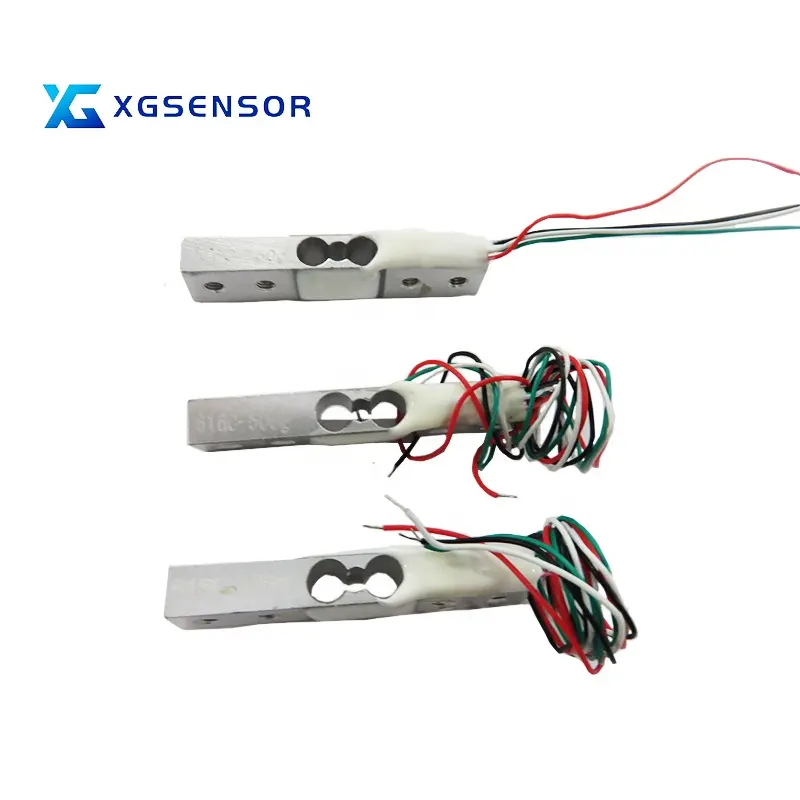
Easier Integration With Automation Systems
Digital Load Cells can be directly connected to PLCs, industrial computers, and smart factory control systems. This seamless communication improves system monitoring and predictive maintenance capabilities.
A load cell with digital readout enables operators to collect accurate production data in real time, allowing maintenance teams to detect performance issues early before they become expensive failures.
Common Applications That Benefit From Lower Maintenance
Industries that frequently use Digital Load Cells include:
- Automated packaging lines
- Tank and silo weighing systems
- Warehouse logistics
- Conveyor weighing systems
- Pharmaceutical production
- Food processing facilities
In these environments, reducing downtime and maintenance costs directly improves production efficiency and operational profitability.
Choosing Reliable Digital Load Cell Solutions
To maximize maintenance savings, businesses should consider:
- High-quality sensor materials
- Waterproof and dustproof protection
- Stable digital communication protocols
- Reliable technical support
- Compatibility with existing automation systems
Selecting the right load cell with digital display or load cell with digital readout can improve long-term system stability and reduce overall operating expenses.
Digital Load Cells are transforming industrial weighing systems by improving accuracy, durability, and maintenance efficiency. Their stable digital signals, intelligent diagnostics, and automation compatibility help businesses significantly reduce maintenance costs over time.
As smart manufacturing continues to evolve, companies that adopt advanced Digital Load Cells can achieve greater reliability, lower operational risks, and more efficient production management.