

For technicians and buyers working with SCR after-treatment systems, one of the most common questions is where the Urea Pressure Sensor is located on different truck models. Although the purpose of the sensor is always the same—monitoring DEF line pressure—the installation position varies widely by brand, engine series, DEF pump design, and model year. Knowing the correct location saves diagnostic time, reduces disassembly effort, and helps owners quickly identify whether a Urea Pressure Sensor is the cause of SCR malfunctions. This article explains the typical placement of the Urea Pressure Sensor across mainstream trucks and how different designs influence its accessibility.
In most heavy-duty European trucks such as Volvo, Scania, MAN, and Mercedes-Benz, the Urea Pressure Sensor is usually mounted directly on the DEF pump module. These vehicles integrate the DEF filter, pump, heater, level sensor, and pressure sensor into one assembly, typically located near the DEF tank. The design ensures stable pressure control and protects the sensor from road vibrations. For example, in Volvo D13 and FH series trucks, the Urea Pressure Sensor sits on top of the pump housing, secured with two bolts and connected by a short harness. Scania’s Euro 6 models also use a pump-integrated layout, where the pressure sensor is positioned right next to the temperature and quality sensors.
In American trucks such as Freightliner, Kenworth, Peterbilt, and International, the Urea Pressure Sensor may not always be located on the pump. Many models place it inline on the DEF pressure hose. This makes it easier to replace the sensor without removing the pump assembly. Freightliner Cascadia commonly positions the Urea Pressure Sensor near the frame rail, along the DEF line that leads from the pump to the injector. For Detroit DD15 engines, the sensor sits inside a compact bracket to reduce vibration damage.
Asian trucks such as Hino, Fuso, and Isuzu often use compact SCR systems mounted close to the exhaust manifold. These vehicles place the Urea Pressure Sensor near the dosing valve or on the short pressure line between the pump and the injector. Isuzu NPR/NQR trucks typically mount the sensor on a metal block connected to both the pressure line and a small temperature probe. This configuration ensures accurate reading even in high-vibration environments.
Pickup trucks and light-duty diesel vehicles—Ford Super Duty, Chevrolet Duramax, Ram Cummins—tend to mount the Urea Pressure Sensor on or near the DEF supply module located at the rear of the vehicle. For example, Duramax L5P models position the sensor at the outlet side of the DEF pump. Ford Powerstroke often integrates it closely with the heater assembly to prevent freezing. These positions allow quick replacement from under the truck without removing the DEF tank.
Chinese heavy trucks such as Sinotruk, Foton, and FAW also vary in sensor placement depending on the SCR supplier (Bosch, Weifu, or domestic systems). Bosch-based SCR modules usually place the Urea Pressure Sensor at the top of the pump, while some domestic pumps position it at the pressure outlet port. These systems are becoming increasingly standardized, so the Urea Pressure Sensor is typically easy to find—either on the pump body or inline with the pressure hose.
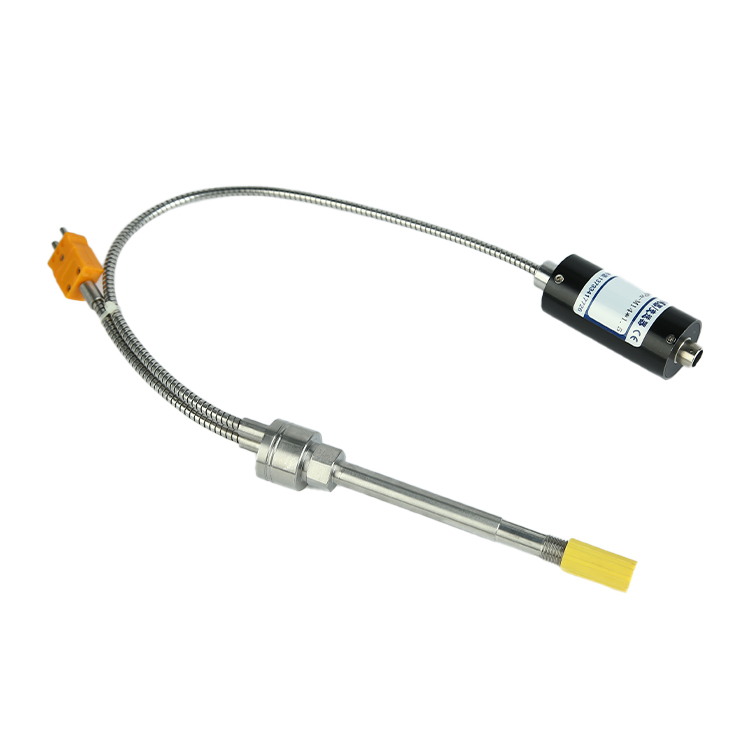
Even though the Urea Pressure Sensor location varies, identifying it is straightforward once you understand its characteristics. It is typically a small cylindrical or square sensor with a three-wire electrical connector and a threaded or bolted attachment to the pressure line. The wiring harness leading to it is often short, usually less than 30 cm long, and bundled with the pump wiring. Technicians often recognize it by its position next to the DEF filter, pump outlet, or dosing valve. In inline designs, the sensor is positioned on a metal pressure block that links the DEF hose to the injector line.
Environmental considerations also influence placement. In cold-climate trucks, the Urea Pressure Sensor may be located inside heated housings to prevent crystallization and freezing. Trucks operating in hot climates may have the sensor placed farther from exhaust heat sources to avoid thermal drift. Manufacturers balance temperature stability, accessibility, and protection when choosing the mounting location.
Understanding sensor location is important when diagnosing SCR issues. A truck displaying P20E8 or P2047 may experience low pressure not because the Urea Pressure Sensor failed but because the pump is weak or the line is blocked. Accessing the sensor quickly helps technicians verify voltage and pressure without unnecessary disassembly. Buyers also benefit from knowing the location, as it allows them to confirm that the correct sensor is being replaced and ensures compatibility with the pump or DEF line design.
In summary, the Urea Pressure Sensor can be located on the DEF pump, inline with the pressure hose, near the dosing valve, or integrated into a pressure block depending on the truck model. Understanding these variations helps technicians, fleet operators, and buyers diagnose problems faster, reduce labor time, and ensure accurate part replacement. No matter the truck brand, knowing the correct Urea Pressure Sensor location is essential for maintaining SCR efficiency and ensuring long-term compliance with emission standards.