

Plastic extrusion is a continuous manufacturing process where consistency, stability, and control directly affect product quality and production efficiency. Among all the monitoring devices used on an extrusion line, the melt pressure transducer plays a far more critical role than many operators initially realize. It does not simply measure pressure; it provides real-time insight into the behavior of molten polymer inside the barrel and die, where problems are often invisible until defects appear.
During extrusion, raw polymer material is heated and pushed forward by the screw, transforming into a highly viscous molten state. In this environment, pressure fluctuations happen constantly due to changes in material viscosity, temperature, screw speed, or die resistance. A reliable melt pressure sensor allows manufacturers to detect these fluctuations immediately, rather than discovering issues after defective products have already been produced.
One of the most important reasons melt pressure monitoring is critical lies in process stability. Melt pressure directly reflects the balance between material flow and resistance in the extrusion system. When pressure rises unexpectedly, it may indicate die blockage, material degradation, or excessive shear. When pressure drops, it can signal poor material feeding, screw wear, or temperature inconsistency. By installing an extrusion pressure transducer near the die or adapter, operators gain a continuous feedback loop that helps maintain stable operating conditions.
Product quality is another major factor. In plastic extrusion, even small pressure variations can lead to thickness inconsistency, surface defects, dimensional instability, or weak mechanical properties. For applications such as film blowing, pipe extrusion, and profile extrusion, consistent melt pressure is essential for uniform output. A high-accuracy melt pressure transducer enables closed-loop control systems to automatically adjust screw speed or temperature, ensuring consistent melt flow and product dimensions over long production runs.
Safety is often overlooked until a failure occurs. Extrusion systems operate under extremely high pressure and temperature. Without proper monitoring, pressure buildup can exceed safe limits, leading to equipment damage or even dangerous blowouts. A properly rated melt pressure sensor acts as an early warning system, allowing operators to respond before pressure reaches critical levels. In many extrusion lines, the melt pressure transducer is directly connected to alarms or automatic shutdown systems, making it a vital safety component rather than just a measurement device.
Another key reason melt pressure transducers are essential is their role in protecting downstream equipment. Dies, screens, and adapters are designed to operate within specific pressure ranges. Continuous overpressure can accelerate wear, shorten component lifespan, and increase maintenance costs. By monitoring pressure trends over time, extrusion engineers can identify gradual changes that signal die contamination or screen pack clogging, allowing for planned maintenance instead of unexpected downtime.
Compared to standard industrial pressure sensors, a melt pressure transducer is specifically designed to withstand the harsh conditions of molten polymer. High temperatures, abrasive materials, and chemical exposure are common in extrusion processes. Unlike conventional pressure sensors, a melt pressure transducer features specialized diaphragm materials and thermal isolation structures to ensure long-term stability. This design difference is critical for maintaining accurate readings over extended production cycles.
Modern extrusion operations also rely heavily on data. Pressure data collected from melt pressure sensors is often logged and analyzed to optimize production parameters, reduce scrap rates, and improve energy efficiency. Over time, these data insights help manufacturers refine material formulations and process settings. Without accurate melt pressure measurement, these optimization efforts become guesswork rather than data-driven decisions.
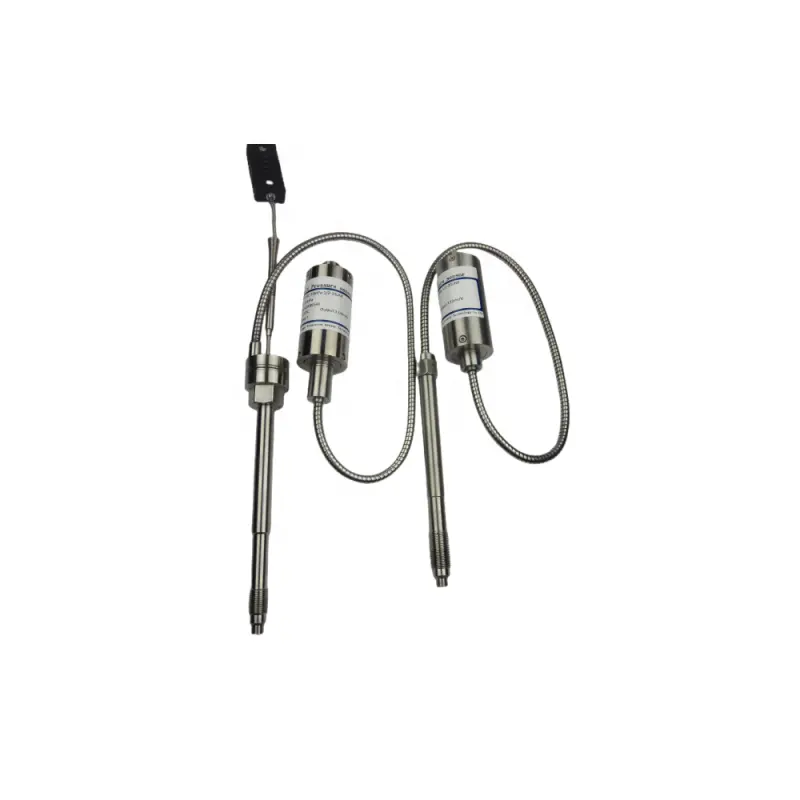
In high-output extrusion lines, small efficiency gains translate into significant cost savings. A stable melt pressure profile reduces start-up waste, minimizes material degradation, and shortens changeover time. By integrating a reliable extrusion pressure transducer into the control system, manufacturers can achieve tighter process control and more predictable output, even when working with recycled materials or complex polymer blends.
Ultimately, the melt pressure transducer is not just another sensor installed on the machine. It is a core component that connects material behavior, machine performance, product quality, and operational safety. For any plastic extrusion process aiming for consistency, efficiency, and long-term reliability, accurate melt pressure measurement is not optional—it is essential.