

What Is a Torque Sensor?
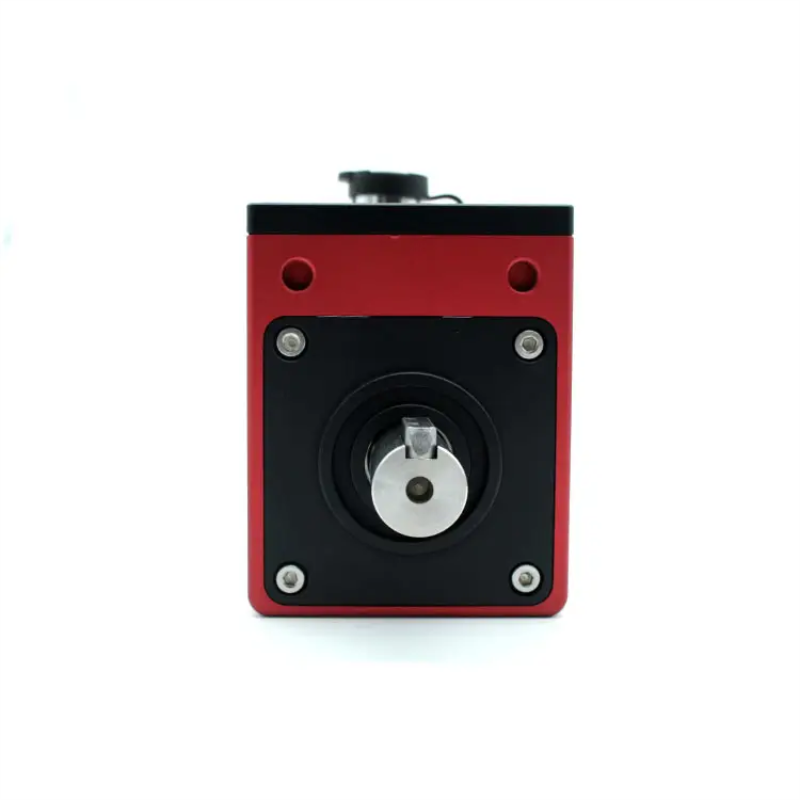
A Torque Sensor is a device designed to measure the twisting force generated when an object rotates or applies force around an axis. Torque measurement plays an important role in many industrial machines because it helps evaluate power transmission, motor performance, and mechanical loading conditions.
Unlike traditional measurement methods, modern torque measurement solutions can provide continuous data monitoring during machine operation. This allows manufacturers to understand how equipment performs under different working conditions and make adjustments when needed.
Torque sensors are available in different designs, including static torque sensors, dynamic torque sensors, rotary torque sensors, and non-contact torque sensors. Each type is designed for specific industrial requirements, depending on factors such as rotation speed, measurement range, and installation environment.
How Do Torque Sensors Work?
A Torque Sensor typically works by detecting deformation caused by applied torque. When a shaft or mechanical component experiences twisting force, the sensor detects small changes through sensing elements such as strain gauges or magnetic measurement systems.
The detected mechanical changes are converted into electrical signals. These signals are processed and displayed as torque values, allowing operators or control systems to monitor machine performance.
A Torque Transducer works in a similar way by converting torque into a measurable output signal. This makes it possible to integrate torque measurement into automated systems, testing equipment, and industrial control platforms.
Applications of Torque Sensors in Industrial Equipment
1. Motor Performance Testing
One of the most common applications of Torque Sensors is motor testing. Manufacturers use torque measurement systems to evaluate motor output, efficiency, and operating characteristics.
During motor development and production testing, engineers need accurate torque data to verify whether motors meet design requirements. Torque sensors can measure starting torque, continuous torque, and changes during different operating speeds.
This application is widely used in electric motors, servo motors, and drive systems.
2. Automotive Testing and Manufacturing
The automotive industry relies heavily on Torque Sensors for vehicle component testing and production processes.
During engine testing, transmission testing, and electric vehicle motor evaluation, torque measurement helps engineers understand power output and mechanical performance.
Torque sensors are also used in assembly lines to monitor tightening processes, ensuring that components are installed according to required torque specifications.
3. Robotics and Automation Systems
With the development of industrial automation, torque measurement has become increasingly important in robotic applications.
Robotic arms require precise force control when handling components, assembling products, or performing delicate operations. Torque Sensors help robots detect mechanical resistance and adjust their movements accordingly.
In collaborative robots, torque feedback allows machines to interact more effectively with operators and surrounding equipment.
4. Manufacturing Equipment Monitoring
Industrial machines often operate under changing loads. Excessive torque may indicate equipment problems, mechanical wear, or potential failures.
By installing Torque Sensors in manufacturing equipment, companies can monitor machine conditions and identify unusual torque changes.
This helps improve maintenance planning and reduce unexpected equipment downtime.
5. Aerospace and Research Applications
Aerospace equipment requires highly accurate measurement systems due to strict performance requirements.
Torque Transducers are commonly used in aircraft component testing, propulsion system analysis, and research equipment. Engineers use torque data to evaluate mechanical performance under different operating environments.
Benefits of Using Torque Sensors in Industrial Applications
The use of Torque Sensors provides several advantages for industrial manufacturers. Accurate torque measurement helps improve product testing processes, optimize machine operation, and support better quality control.
Real-time torque monitoring allows engineers to identify performance changes quickly. This is especially valuable in automated production environments where equipment reliability directly affects manufacturing efficiency.
Torque sensors also support product development by providing detailed performance data during prototype testing. Manufacturers can use this information to improve designs and create more suitable mechanical systems.
How to Choose the Right Torque Sensor?
Selecting the correct Torque Sensor depends on several factors, including measurement range, operating speed, installation method, and output requirements.
For rotating equipment, dynamic or rotary torque sensors may be more suitable because they can measure torque during continuous movement. For fixed applications, static torque sensors may provide a suitable solution.
Manufacturers should also consider compatibility with existing control systems and data acquisition equipment. Choosing the right Torque Transducer ensures accurate measurement results and stable system performance.
Future Trends of Torque Sensor Technology
As industries continue moving toward automation and intelligent manufacturing, the demand for advanced torque measurement solutions continues to grow.
Modern Torque Sensors are becoming more compact, accurate, and easier to integrate with digital systems. Wireless communication technology and smart monitoring systems are also expanding the application possibilities of torque measurement.
In industries such as robotics, electric vehicles, and automated production, torque sensors will continue to play an important role in improving machine control and performance analysis.
Conclusion
Torque Sensors are essential measurement devices used across many industrial applications, including motor testing, automotive manufacturing, robotics, automation, and equipment monitoring. By accurately measuring rotational force, a Torque Sensor helps engineers improve machine performance, analyze operating conditions, and develop reliable mechanical systems. As industrial automation continues to expand, Torque Transducer technology will remain an important part of modern measurement and control solutions.