

Torque measurement plays an important role in industries such as automotive testing, robotics, motor testing, aerospace equipment, and industrial automation. A Torque Sensor is designed to measure rotational force and convert torque into an electrical signal for monitoring and analysis. However, even high-quality sensors may experience measurement deviations if the system setup or operating conditions are not suitable.
Incorrect Installation and Mechanical Alignment Issues
One of the most common causes of Torque Sensor measurement errors is improper installation. A torque sensor needs to be installed correctly according to the equipment structure and application requirements. If the sensor is not aligned with the rotating shaft, additional forces such as bending moments or side loads may affect the measurement results.
Mechanical misalignment between the drive shaft, coupling, and sensor can create unwanted stress. This additional force may cause the Torque Sensor to detect signals that are not related to actual torque, resulting in inaccurate readings.
Using suitable couplings and ensuring proper shaft alignment can help reduce installation-related errors. Before operation, engineers should check mounting conditions, connection points, and mechanical clearance.
Poor Calibration and Incorrect Calibration Settings
Calibration is an important process for maintaining torque measurement accuracy. A Torque Transducer or torque measurement system requires regular calibration to ensure that output signals match the actual torque values.
Without proper calibration, measurement errors may gradually increase due to long-term operation, mechanical wear, or changes in working conditions. Incorrect calibration parameters can also lead to inaccurate readings during testing.
Calibration should be performed using professional calibration equipment and reference torque standards. Many industrial applications schedule regular calibration intervals to maintain consistent measurement performance.
Temperature Changes and Environmental Effects
Temperature variation is another factor that can influence Torque Sensors. Extreme temperatures may affect internal components, strain gauges, electronic circuits, and signal output stability.
For example, a sensor operating in a high-temperature environment may experience changes in material properties, which can create measurement deviations. Similarly, rapid temperature changes may cause thermal expansion or contraction that affects the sensor structure.
Selecting a Torque Sensor designed for the specific operating environment can reduce temperature-related errors. In applications with strict accuracy requirements, temperature compensation technology is often used to improve stability.
Electrical Noise and Signal Interference
Electrical interference can also affect torque measurement accuracy. Industrial environments often contain motors, inverters, and other electrical devices that generate electromagnetic noise.
If signal cables are not properly protected, external interference may affect the output signal from the sensor. This can result in unstable readings, signal fluctuations, or incorrect torque values.
Using shielded cables, proper grounding methods, and suitable signal processing equipment can help reduce electrical noise problems. For wireless Torque Sensors, maintaining a stable communication connection is also important for accurate data transmission.
Overloading and Incorrect Sensor Selection
Selecting the wrong sensor capacity is another common reason for measurement errors. Every Torque Sensor has a specific measurement range. When the applied torque exceeds the rated capacity, the sensor may experience overload damage or permanent deformation.
On the other hand, selecting a sensor with a much higher capacity than required may reduce measurement sensitivity, especially when measuring small torque values.
Before purchasing a sensor, users should evaluate torque range, operating speed, accuracy requirements, and application conditions. Choosing the correct model helps achieve better measurement performance.
Mechanical Vibration and External Forces
Vibration is frequently found in rotating machinery, motors, and automated production equipment. Excessive vibration can introduce additional signals that interfere with torque measurement.
External forces, including axial loads and bending forces, may also influence measurement results. Although many modern Torque Sensors are designed with compensation functions, reducing unnecessary mechanical stress remains important.
Proper equipment design, stable installation, and vibration control methods can improve the reliability of torque measurement systems.
Sensor Aging and Maintenance Problems
Over time, sensor components may experience performance changes due to continuous operation. Wear, material fatigue, connector damage, or electronic component aging can gradually affect measurement accuracy.
Regular inspection and maintenance help identify potential issues before they impact production or testing processes. Checking sensor connections, cleaning equipment, and verifying calibration status are common maintenance steps.
How to Reduce Torque Sensor Measurement Errors?
To minimize measurement errors, users should focus on correct sensor selection, professional installation, regular calibration, and proper operating conditions. Monitoring environmental factors such as temperature, vibration, and electrical interference can also improve measurement stability.
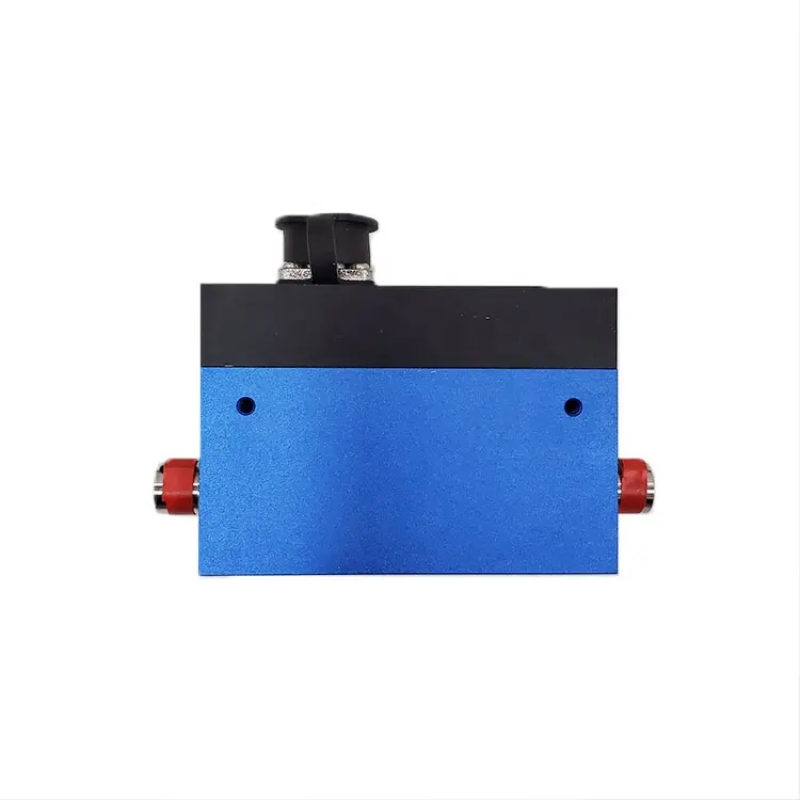
Working with an experienced Torque Sensor manufacturer or supplier can help companies select suitable solutions based on their application requirements. Customized Torque Transducer designs may provide better compatibility for special testing systems, automated equipment, or complex industrial environments.
Accurate torque measurement supports better equipment performance analysis, quality control, and product development. By understanding the causes of measurement errors and applying appropriate solutions, businesses can improve the reliability and efficiency of their torque testing processes.